

Hidden moving costs are the charges that never show up in a mover’s hourly rate but still land on your final bill: travel time, stair and long-carry fees, parking and HOA delays, thin liability coverage, packing add-ons, storage between homes, and peak-date premiums. In San Diego, where local movers charge about $200 an hour, those extras can quietly add hundreds of dollars to a move that looked affordable on paper. Below is each one, what it really costs, and how to stop it before move day.
We’ve been delivering storage containers across San Diego County since 2003, so we hear the post-move stories constantly. The pattern rarely changes. Someone books the cheapest hourly quote, the crew shows up, and the final invoice lands 30 to 50 percent higher than the number they budgeted. Nobody lied, exactly. The quote just assumed an easy move, and San Diego moves are rarely easy.
Here’s how to read between the lines of any quote you get.
Why San Diego Moves Run Over the Quote
Most quotes are built around a “standard” home: truck parked at the curb, a short flat walk to the front door, no elevator, no HOA. Now think about where people actually live here. Canyon-side homes in Point Loma. Hillside streets in La Jolla. Beach cottages down narrow Mission Beach walkways. Condo towers downtown with loading-dock reservations and building insurance rules.
Every one of those details adds time or equipment. And on an hourly job, time is money in the most literal way possible.
Throw in end-of-month lease turnovers, summer military reassignments, and college move-in week, and you get a market where demand spikes hard on the exact dates most people need to move. The quote you got in March might not be the price you pay in late June.
1. The Clock Starts Before the Truck Reaches Your Door
This is the one that stings first. Many local movers bill from the moment the crew leaves their yard until they get back, not just the hours spent in your home. Some charge a flat travel fee instead. Others round up to the nearest half hour or enforce a three or four-hour minimum.
Run the math. If a crew bills about $200 an hour and spends 30 minutes driving to you and 30 minutes driving back, that’s roughly $200 you paid before a single box moved. Add an I-5 or SR-163 slowdown at 4 p.m. and the meter keeps running.
How to avoid it
- Ask exactly when the clock starts and stops, and get the answer in writing.
- Ask whether travel is billed hourly, as a flat fee, or doubled (some companies do this on local moves).
- Book a morning start. Crews that start at 8 a.m. dodge most afternoon gridlock.
- For moves inside California, insist on a written Not to Exceed price. State rules require licensed movers to give one for every household move, and it’s your best defense against clock creep.
2. Access Fees: Stairs, Long Carries, and Shuttle Trucks
Movers price your job assuming they can park close and walk a short, flat path. When they can’t, three fees show up.
Long-carry fees apply when the walk from truck to door passes a set distance, often around 75 feet. Townhome complexes with interior walkways trigger this all the time. Stair and elevator fees get charged per flight or per trip, and that split-level home in Clairemont counts. Shuttle fees are the big one. When a full-size truck can’t get up your street, the crew transfers everything into a smaller truck, which means extra handling, extra time, and sometimes a separate flat charge.
Hillside neighborhoods, alley-access beach homes, and gated communities with tight turnarounds are where we see shuttle charges most.
How to avoid it
- Send the mover a video walkthrough, including the street, driveway, and path to the door.
- Tell them the real distance from the nearest legal parking spot to your entrance. Measure it.
- Ask point blank: “Will you need a shuttle truck at either address?”
- Get access fees listed as line items, not lumped into “additional services.”
3. Parking, Permits, and HOA Paperwork
Nobody puts “waiting around” on a quote. Yet it’s one of the most common reasons a four-hour job turns into six.
Parking first. If your street has meters, red curbs, or permit-only zones, the truck may need temporary no-parking signs or a city permit. Skip it and you risk a ticket, a tow, or a truck circling the block while you pay for the privilege.
Then the building. A lot of San Diego HOA-managed condos and apartments won’t let a crew through the door until they receive a certificate of insurance (COI) naming the association and management company. Some also require an elevator reservation window or a refundable deposit. If the COI hasn’t arrived by 8 a.m., the crew stands in the lobby. On the clock.
How to avoid it
- Call your property manager two weeks out and ask for their move-in and move-out rules in writing.
- Forward the COI requirements to your mover right away, not the night before.
- Book the elevator for both ends of the move and confirm the time window matches your crew’s arrival.
4. The “Insurance” That Pays 60 Cents a Pound
This one doesn’t show up on move day. It shows up later, when you open a box and find your TV screen cracked.
Basic mover liability is usually released value coverage, which is free but limited. On interstate moves, the mover is only liable for up to 60 cents per pound, per item, and California’s basic coverage works on a similar per-pound formula. So a 70-pound dresser worth $900? You’d get about $42.
Full value protection costs extra, and plenty of people only learn about it when they file a claim. That’s the hidden cost: either the upgrade you didn’t budget for, or the loss you didn’t plan to absorb.
How to avoid it
- Ask what coverage is included and what full value protection would cost for your shipment.
- Check whether your homeowners or renters policy covers belongings in transit.
- List high-value items (anything over $100 per pound, like jewelry or art) in writing before the move, or carry them yourself.
5. Packing Add-Ons and the “Not Ready” Penalty
Full-service packing is a known cost. The hidden version is subtler. A crew arrives expecting a packed home, finds half the kitchen still in cabinets, and finishes the job at their hourly rate, using boxes and tape sold at their price.
Other add-ons that sneak in:
- Mattress bags, wardrobe boxes, and TV cartons charged per piece.
- Disassembling and reassembling beds, desks, and sectionals.
- Bulky-item fees for pianos, gun safes, hot tubs, and home gym equipment.
- Shrink wrap and padding “usage” fees on some invoices.
- Appliance disconnection, which some crews won’t touch at all, so you pay a separate tech.
- Haul-away charges for anything you decide not to keep.
How to avoid it
Pack completely before the crew arrives. Buy supplies ahead of time, label everything by room, and leave only the large furniture. Every minute the crew spends packing is a minute you’re paying premium labor for unskilled work.
6. The Storage Gap (and Paying Movers Twice)
Here’s the cost: almost every other article skips, and it’s often the biggest one.
San Diego moves rarely line up perfectly. Escrow slips by a week. A lease ends before the new one starts. A kitchen remodel runs long. Military orders arrive with a report date that doesn’t match housing availability. Suddenly your belongings need somewhere to sit for a few weeks or months.
The traditional fix looks like this: movers load your home, drive to a self-storage facility, and unload into a unit. Weeks later, you hire movers again to load from the unit and deliver to the new place. That’s four rounds of handling and two full crew bills, plus storage rent, plus the truck. Some movers also charge storage-in-transit fees and a separate warehouse handling charge.
Every extra handling round is another chance for damage, too.
How to avoid it
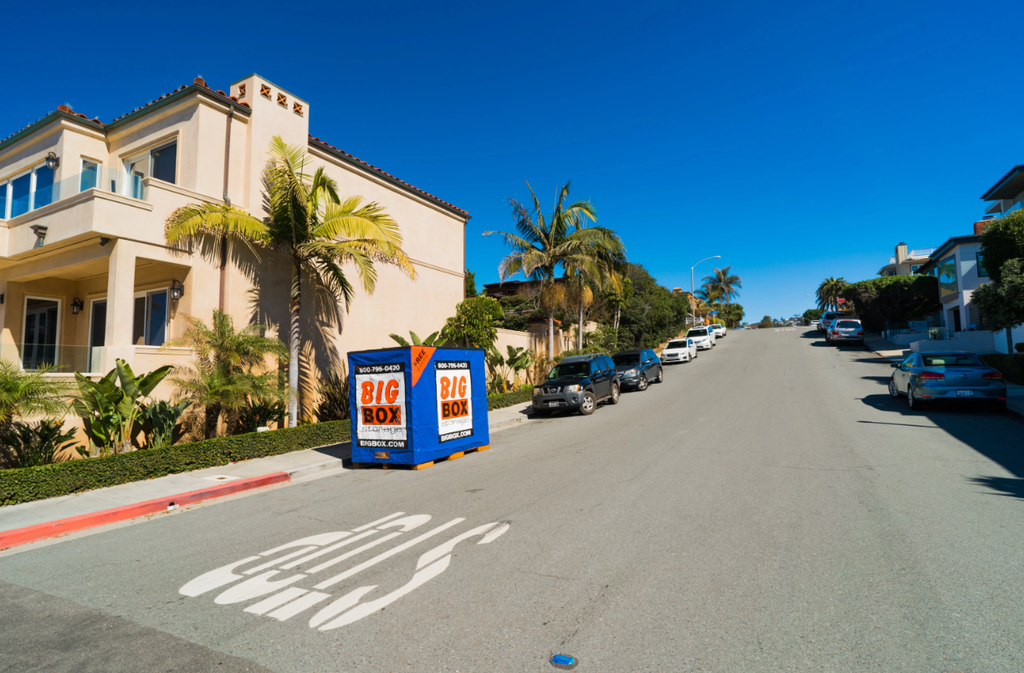
Cut out the middle steps. With portable storage, a container is dropped at your door, you load it once, and it’s either kept on site or taken to a secure facility, then delivered when you’re ready. No second crew, no unload-reload cycle. If your timeline has any gap at all, look at moving and storage solutions that combine both steps instead of paying for them separately.
7. Peak-Date Premiums, Change Fees, and Lost Deposits
Moving demand in San Diego isn’t flat. It spikes on weekends, at the end of every month, through summer, during late-August college move-in, and across the summer PCS season when military families transfer in and out. Many movers price those dates higher, or the cheap slots simply vanish and you take whatever’s left.
Then there’s the paperwork. Non-refundable deposits. Rescheduling fees if your closing date moves. Cancellation windows that run out sooner than you’d think. When escrow slips (and it does), those fees bite.
How to avoid it
- Book mid-week and mid-month when you can. Tuesday through Thursday, between the 10th and the 20th, is usually the sweet spot.
- Read the cancellation and rescheduling clause before you put down a deposit.
- If you’re active duty, look at military storage options built around PCS timelines rather than locking in a mover date that may change.
Hidden Moving Costs Cheat Sheet
Screenshot this before you start collecting quotes.
| Hidden cost | Why it hits San Diego moves | How to avoid it |
|---|---|---|
| Travel time and minimums | Freeway traffic on I-5, I-805, and SR-163 keeps the meter running | Get billing start/stop and a Not to Exceed price in writing |
| Long carry, stairs, shuttle | Hillsides, alley-access beach homes, and gated complexes | Send a video walkthrough and ask about shuttle needs upfront |
| Parking and HOA delays | Meter zones, permit areas, COI and elevator rules | Call the property manager two weeks out; send COI details early |
| Thin liability coverage | Basic coverage pays by weight, not value | Price full value protection and check your home policy |
| Packing add-ons | Crews finish unpacked rooms at hourly rates | Pack fully before move day; buy supplies ahead |
| Storage gap | Escrow delays, lease gaps, remodels, PCS orders | Use portable storage to load once instead of twice |
| Peak dates and change fees | Month-end, summer, college move-in, PCS season | Book mid-week, mid-month; read the cancellation clause |
7 Questions to Ask Before You Sign
- When does billing start and stop, and how is travel time charged?
- Is this a written Not to Exceed price, and what’s your Cal T number (CPUC permit)?
- Will you need a shuttle truck or charge long-carry or stair fees at either address?
- What liability coverage is included, and what would full value protection cost?
- What packing materials and services are included, and what’s charged per piece?
- If my dates shift, what are the rescheduling and cancellation fees?
- If I need storage between homes, how many times will my belongings be handled, and what does each step cost?
A mover who answers all seven clearly, in writing, is worth more than one who’s $20 an hour cheaper and vague.
How Big Box Storage Takes the Surprises Out of Moving
We’ll be upfront: Big Box Storage isn’t a full-service moving crew. We’re San Diego’s local portable storage company, and for a lot of moves, that’s exactly what makes the hidden costs disappear. Here’s how.
- No hourly clock. We deliver a Big Box to your door and you load it at your own pace, over hours, days, or weeks. Nobody’s billing you while you wrap the dishes.
- No truck rental, no double handling. Load once at home. Keep the box on your property or we’ll pick it up and store it at our secure indoor facility, then deliver it to your new address when you’re ready.
- Clear delivery pricing. Round-trip delivery is $99 in our standard service area, and initial delivery is free for new customers who commit to four months or more.
- No hidden move-in fees, access fees, or security deposits. Need something from storage? Give us two hours’ notice and it’s free to access, seven days a week.
- Pay only for what you use. Order the boxes you think you’ll need. Use fewer, and you only pay for the ones you filled.
- Tight on space? We can stagger deliveries, swapping a full box for an empty one, which helps on narrow streets and small driveways.
- Ground-level loading in wooden boxes. Each Big Box is 8′ x 5′ x 7′, holds about one room, and won’t rust or scratch furniture like bare metal can.
We’ve made more than 70,000 deliveries and San Diego voters have named us the city’s best storage company five years running. Not sure how many boxes you need? Try our storage space estimator. Prefer to talk it through? Call 858-244-2691.
Moving out of the region? Big Box can also ship your containers to most major metro areas in the US, so the same load-once approach works for long-distance moves.
What to Do Now
Before you sign anything, get three written quotes, ask all seven questions above, and add a 10 to 20 percent buffer to the highest number. If there’s any gap between move-out and move-in, price out portable storage against the mover-plus-storage-unit route. In our experience, the second option almost always costs more once you count every handling step.
The cheapest hourly rate is rarely the cheapest move. The one with the fewest surprises usually is.
Frequently Asked Questions
1. What hidden fees do movers charge in San Diego?
The most common ones are travel time billed on the clock, stair and long-carry fees, shuttle-truck charges when a full-size truck can’t reach your door, parking or HOA delays, packing materials, and peak-date premiums. Storage between homes is the big one people forget, because it usually means paying a crew to load and unload twice. Ask for every fee in writing before you book.
2. How much do movers cost per hour in San Diego?
A local crew with a truck typically runs around $200 an hour, though rates swing with crew size, season, and the day of the week. The hourly rate is only the starting point. Travel time, minimum hours, and access fees decide what you actually pay.
3. Do California movers have to give a Not to Exceed price?
Yes. For moves that start and end inside California, licensed household goods movers must give you a written Not to Exceed price, and estimates should be made after the mover has seen your belongings. If a company won’t put a ceiling on paper, keep shopping.
4. Is portable storage cheaper than hiring movers plus a storage unit?
Often, yes, when you need storage between homes. With a mover plus a self-storage unit, you pay labor to load, unload into the unit, reload later, and deliver. A portable container is loaded once at your door and stored or delivered as-is. Check current Big Box Storage rates and promos to compare against your mover quotes.
5. How much extra should I budget for unexpected moving costs?
Add a 10 to 20 percent buffer on top of your written quote. Go toward the high end if you live on a hillside, in a building with an HOA or elevator, or if your move date lands at the end of the month or during summer.
Sources
- Cost of Movers in San Diego, CA: https://www.freightwaves.com/checkpoint/moving-costs/california/san-diego/
- Moving Tips and Warnings, California Public Utilities Commission: https://files.cpuc.ca.gov/PUC/cec/transp/050801_movingadvisory.pdf
- Valuation and Insurance, Protect Your Move (FMCSA): https://www.fmcsa.dot.gov/protect-your-move/valuation-insurance