
Honestly, the best way to unpack after moving starts with a plan, not with ripping open the nearest box out of pure impatience. After the exhaustion of packing, loading, and hauling everything you own across town (or across the country), the last thing you probably want to look at is a mountain of cardboard in every single room. But here’s the thing: how you approach unpacking is really what decides whether you’re settled into your new home in a matter of days, or still tripping over half-opened boxes three weeks from now. If you’re coming off the stress of packing everything up in the first place, you already know how much organization matters, and our guide on how to pack a bedroom covers that side of the process in detail.
This guide walks through a strategy that actually works, so you can unpack efficiently, stay sane, and start enjoying your new space from day one instead of week six.
Why Having an Unpacking Strategy Matters
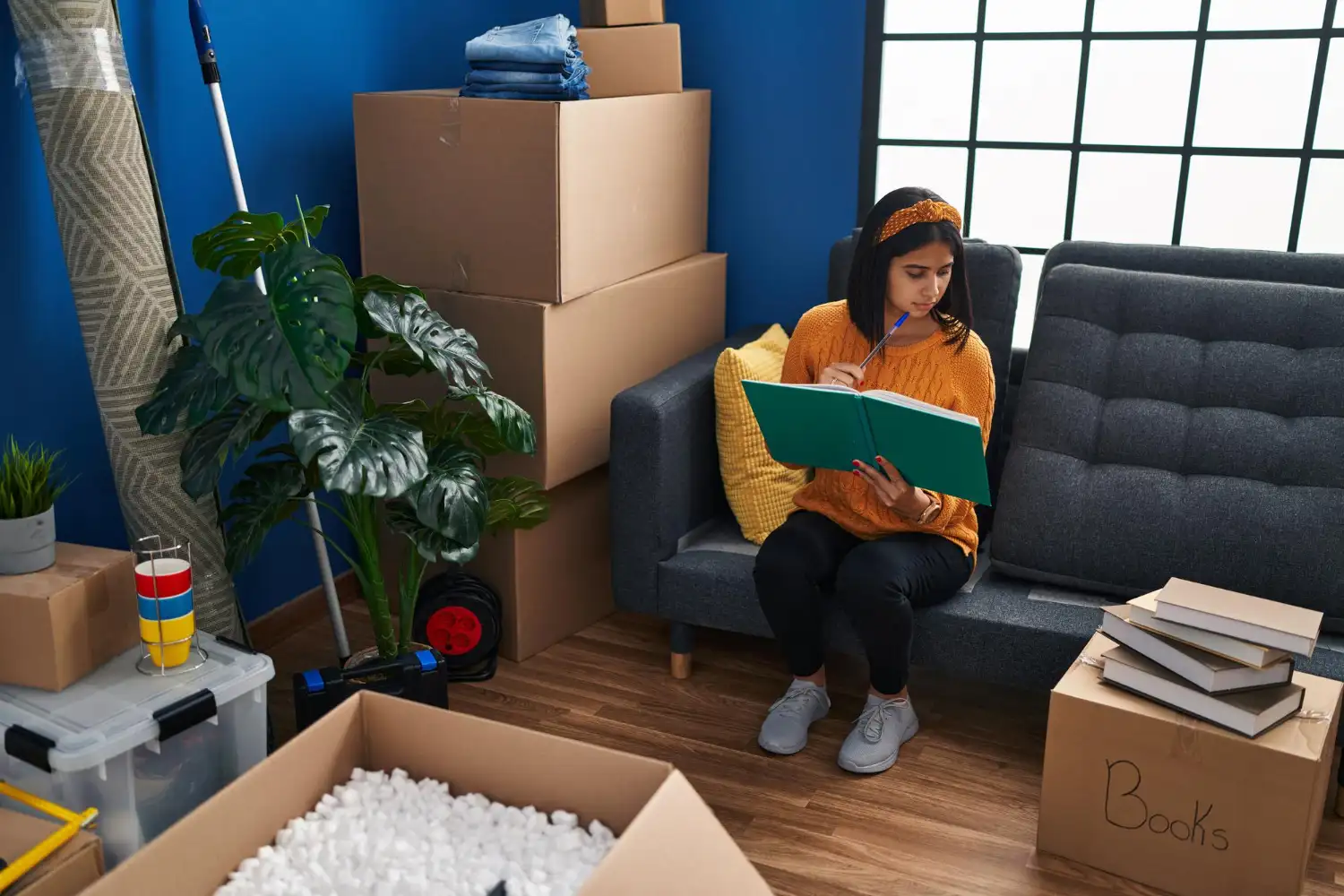
Most people assume unpacking is the easy part. You just open boxes and put things away, right? Not quite. Unpacking without a plan tends to spiral into clutter, missing essentials, and that frustrating in-between stage where half your home feels livable and the other half looks like a storage unit exploded.
A little structure upfront saves you real time, keeps you from buying duplicates of things you swear you packed somewhere, and pushes you to make intentional calls about where everything actually belongs in your new layout. Your new place almost certainly has different cabinet sizes, closet shapes, and room dimensions than your last one, so unpacking is really your chance to build organizational systems that work for the space you’re in now, instead of just copying what you had before.
Before You Open a Single Box
Resist the urge to dive straight in. Before you touch a single box, take thirty minutes and just walk through your new home. Map out where you want things to live. Open every cabinet, closet, and drawer, and get a real feel for how much storage you’re working with and what makes sense for how your household actually functions day to day.
If it helps, grab a pack of sticky notes and label shelves and drawers with what’s going where. This is especially handy if you’ve got family or friends pitching in, since everyone will know exactly where things belong without constantly asking “wait, where does this go?”
Also, don’t forget to keep your cleaning supplies within reach. You’re going to want to wipe down shelves, countertops, and the inside of cabinets before you start loading them up. A quick wipe-down now saves you the headache of pulling everything back out later.
Start With Your Essentials Box
If you packed a first-night essentials box before the move, this is where it pays off. That box should have everything you need to get through the first twenty-four hours: toiletries, a change of clothes, phone chargers, medications, basic kitchen items like paper plates and cups, some snacks, coffee, trash bags, and toilet paper.
Didn’t pack one? No worries, just track down the boxes with these items and open those first. Having the basics on hand right away takes the pressure off and lets you work through the rest of your unpacking at a reasonable pace, instead of frantically digging through twenty boxes trying to find your toothbrush at eleven at night.
The Room-by-Room Unpacking Order

There’s a logical order to unpacking that saves you from wasted effort and keeps things moving forward. Here’s the sequence that tends to work best.
Kitchen First
The kitchen is the heart of any home, so getting it up and running should be priority number one. You need to eat, drink water, and make coffee (let’s be real, especially the coffee), so this room wins first place every single time.
Start with the everyday stuff: plates, glasses, mugs, utensils, and a handful of key pots and pans. Get your coffee maker or kettle set up. Get the dish soap and a sponge by the sink. Once the basics are handled, move on to pantry items, small appliances, and anything specialty. Save the decorative pieces and rarely-used gadgets for last, they can wait.
While you’re at it, take the opportunity to rethink your kitchen layout. Put the things you use daily within easy reach. Heavy pots can live in the lower cabinets, while that seasonal bakeware can get tucked away somewhere harder to reach.
Bathrooms Next
After the kitchen, bathrooms come second. You want to be able to shower, brush your teeth, and generally feel like a human being again. Unpack towels, soap, shampoo, toilet paper, and medications first. Hang the shower curtain, lay out a bath mat. If you’ve got more than one bathroom, focus on whichever one the whole household will actually use most.
Bedrooms for a Good Night’s Sleep
A proper bed is non-negotiable after a long moving day , full stop. Assemble the bed frame if you need to, get the mattress in place, and make the bed with fresh sheets and pillows. Unpack a few outfits and hang them in the closet so you’re not digging through boxes half-asleep in the morning.
You don’t need to organize your whole wardrobe right away. Just focus on the next three to five days of clothing and handle the rest once the higher-priority rooms are done.
Living Room and Common Areas
Once the essentials are squared away, shift your attention to the living room. Set up the couch, hook up the TV, toss out a few throw blankets and pillows. This gives everyone a place to actually relax and decompress after a long day of unpacking boxes.
If you work remotely, treat your home office as a priority right alongside the living room. You need a functional workspace to get back into your routine sooner rather than later.
Spare Rooms, Garage, and Storage Areas
Dining rooms, guest bedrooms, the garage, and any bonus rooms come last. These spaces aren’t critical for daily life, so they can sit for a few days, or even a couple of weeks, without throwing anything off.
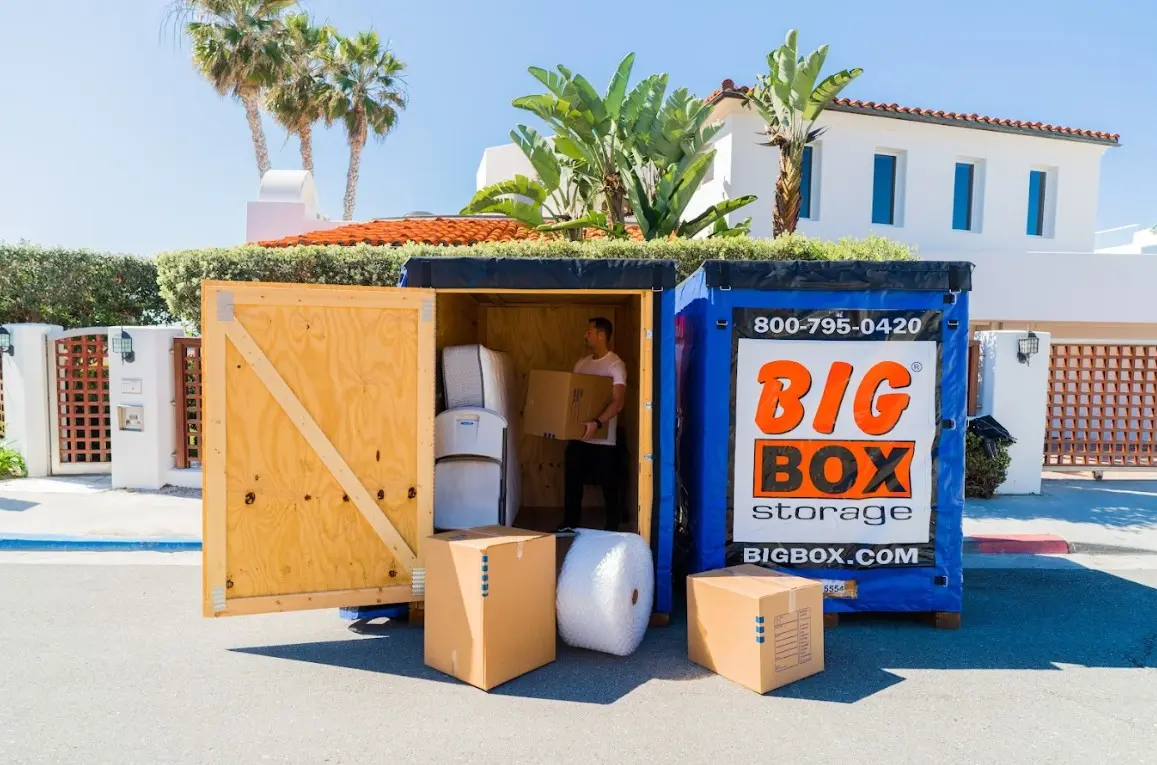
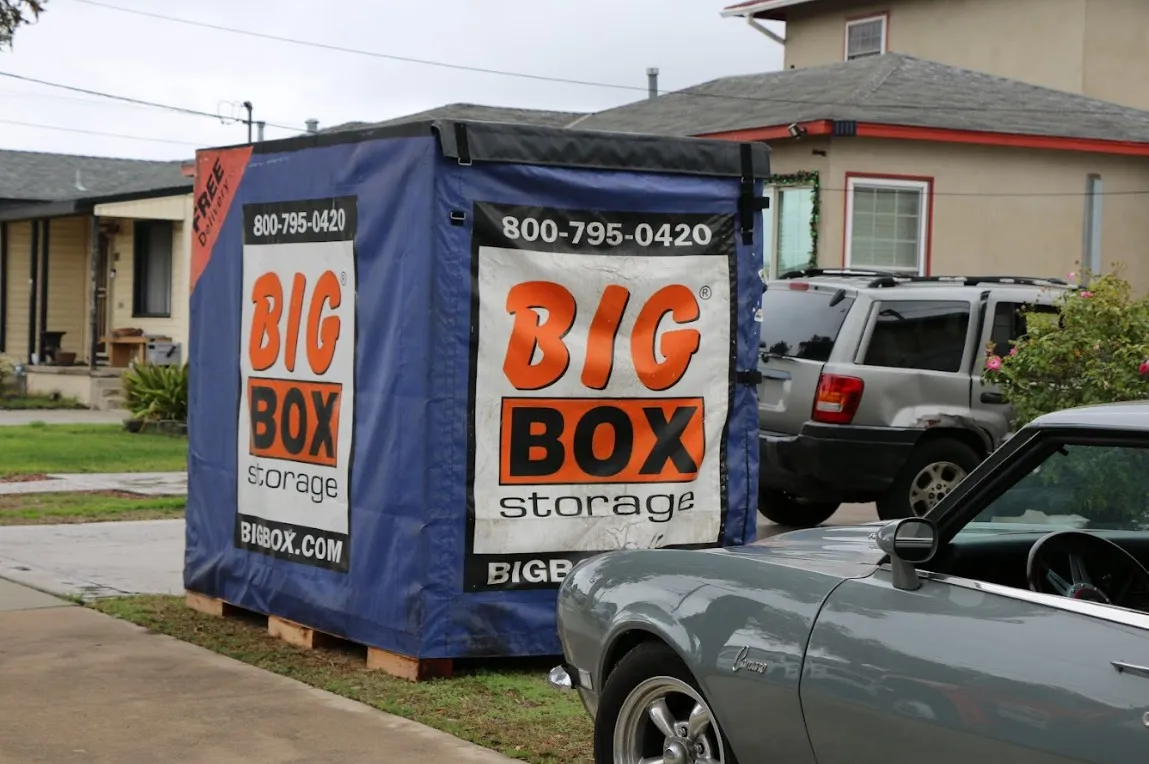
For items you know you won’t need right away, like holiday decorations, seasonal clothing, or old documents, it can actually make sense to leave them packed and move them straight into a portable storage container until you’re fully settled. That way your living spaces stay clear, and you get some breathing room to unpack everything else at your own pace.
Break Down Boxes as You Go
One of the biggest mistakes people make is unpacking box after box and just letting the empty cardboard pile up in the corner. Flatten each box as soon as you’re done with it and move it somewhere designated, whether that’s the garage, a recycling bin, or a stack by the front door waiting for pickup.
Clearing out packing materials in real time makes your home feel settled a lot faster. All that visual clutter from empty boxes tricks your brain into thinking you’ve still got a long way to go, even when you’ve actually made a ton of progress.
Declutter While You Unpack
Moving is honestly one of the best chances you’ll get to edit down your belongings. As you unpack each box, ask yourself if this item really deserves a spot in your new home. If you’d genuinely forgotten you owned something, or you can’t figure out where it should even go, that’s usually a pretty strong sign to donate it or toss it.
Set up two bins or bags near your unpacking zone, one for donations and one for trash. Making these calls in the moment is so much easier than trying to declutter later, once everything already has a spot and you’ve talked yourself into keeping it.
Set Realistic Expectations
Professional organizers estimate that fully unpacking a home can take anywhere from a few days to several weeks, depending on the size of your household. Don’t expect everything to be perfectly in place on day one, that’s just not how it works. Focus on getting each room functional first, and circle back later for the finishing touches like hanging art, arranging bookshelves, and styling decor once the necessities are handled.
Break the whole process into manageable sessions instead of wearing yourself out in one marathon push. Tackle a room or two per day and actually celebrate the progress as you go. The goal here is a home that feels livable and organized, not a race to empty every box as fast as humanly possible.
Quick Recap: Your Unpacking Game Plan
So, to wrap it up: the best way to unpack after moving comes down to a clear sequence. Walk through your home and map out where things will go before you open a single box. Unpack your essentials box first so you’ve got what you need for that first night. Tackle the kitchen, then bathrooms, then bedrooms, in that order. Set up the living room and home office next. Save spare rooms and storage areas for last. Break down boxes as you go, and declutter along the way. And honestly, give yourself some grace, take it one room at a time, and you’ll get there.
Frequently Asked Questions
How long does it take to unpack after a move?
Honestly, it depends on your household, but most people are looking at anywhere from a few days to several weeks. Get the kitchen, bathrooms, and bedrooms functional first, then work through spare rooms and storage areas whenever you get to them.
What should I unpack first after moving?
If youpacked a first-night essentials box, start there: toiletries, chargers, medications, a change of clothes. Didn’t pack one? No worries, just track down those boxes first, then move straight into setting up the kitchen before anything else.
What order should I unpack rooms in?
Kitchen first, since you need to eat and drink water, let’s be real. Bathrooms come next, then bedrooms so you can actually sleep. Living rooms and home offices follow after that, with spare rooms, garages, and storage areas saved for last.
Should I declutter while unpacking or before I move?
Both can work, but decluttering as you unpack tends to be easier in practice. Ifyou’d genuinely forgotten you owned something, or can’t figure out where it should go, that’s usually a pretty good sign to just donate or toss it.
What should goina portable storage container after moving?
Anything you won’t need right away is a good candidate: holiday decorations, seasonal clothing, old documents. Keeping those separate frees up your living spaces while you unpack, so you get some breathing room to settle in at your own pace.