Skip to content
858-244-2691

Storage Solutions for SDSU, USD, and UCSD Students: 2026 Guide 

Quick Answer: SDSU, USD, and UCSD students in San Diego have two main storage options – portable storage units delivered to your door and traditional self-storage facilities. Portable storage, like what Big Box Storage offers, is the easier pick for most students: you pack at your own pace, skip the truck rental, and your stuff gets picked up and dropped off on your schedule. Prices for a student-sized unit start around $99/month. 

College move-out day hits like a wall. You’ve got three weeks left in the dorm, zero plan for where your stuff goes, and a flight booked for the day after finals. Sound familiar? Every year, thousands of students at SDSU, USD, and UCSD face exactly this problem – and most of them scramble for a solution way too late. 

Here’s the thing most people miss: storage in San Diego isn’t one-size-fits-all. The right option depends on your school, your budget, and how long you need storage. Get it wrong and you’re paying too much, hauling boxes across town in a U-Haul, or leaving your laptop in a unit that’s not climate-controlled in a San Diego summer. 

This guide breaks it all down – simply, clearly, no filler. 

Why San Diego College Students Need Storage More Than Most

San Diego is expensive. That’s not a secret. Average rent near SDSU in Rolando Park or College Area runs north of $1,800/month for a one-bedroom. Near UCSD in La Jolla, you’re looking at $2,200+. Most students can’t afford to keep a full apartment over summer just to store their stuff. 

The three biggest reasons students look for storage: 

  • Summer break – dorms close, leases end, but flights home don’t have room for a 55-inch TV 
  • Studying abroad – you need somewhere secure for 4–6 months, not just 6 weeks 
  • Moving between apartments – gap between lease end and new lease start, usually 2–4 weeks 

Portable storage units are a type of storage solution where a company drops an empty container at your location. You fill it on your own timeline, and they haul it to a secure facility. It’s different from self-storage, where you rent a unit and transport everything yourself. For students without a car or a truck, that difference matters a lot. 

SDSU Students: Storage Near College Area and Rolando

San Diego State University sits in the College Area neighborhood, about 8 miles from downtown. It’s a dense, busy area – finding parking alone is a nightmare, let alone finding somewhere to drop boxes. 

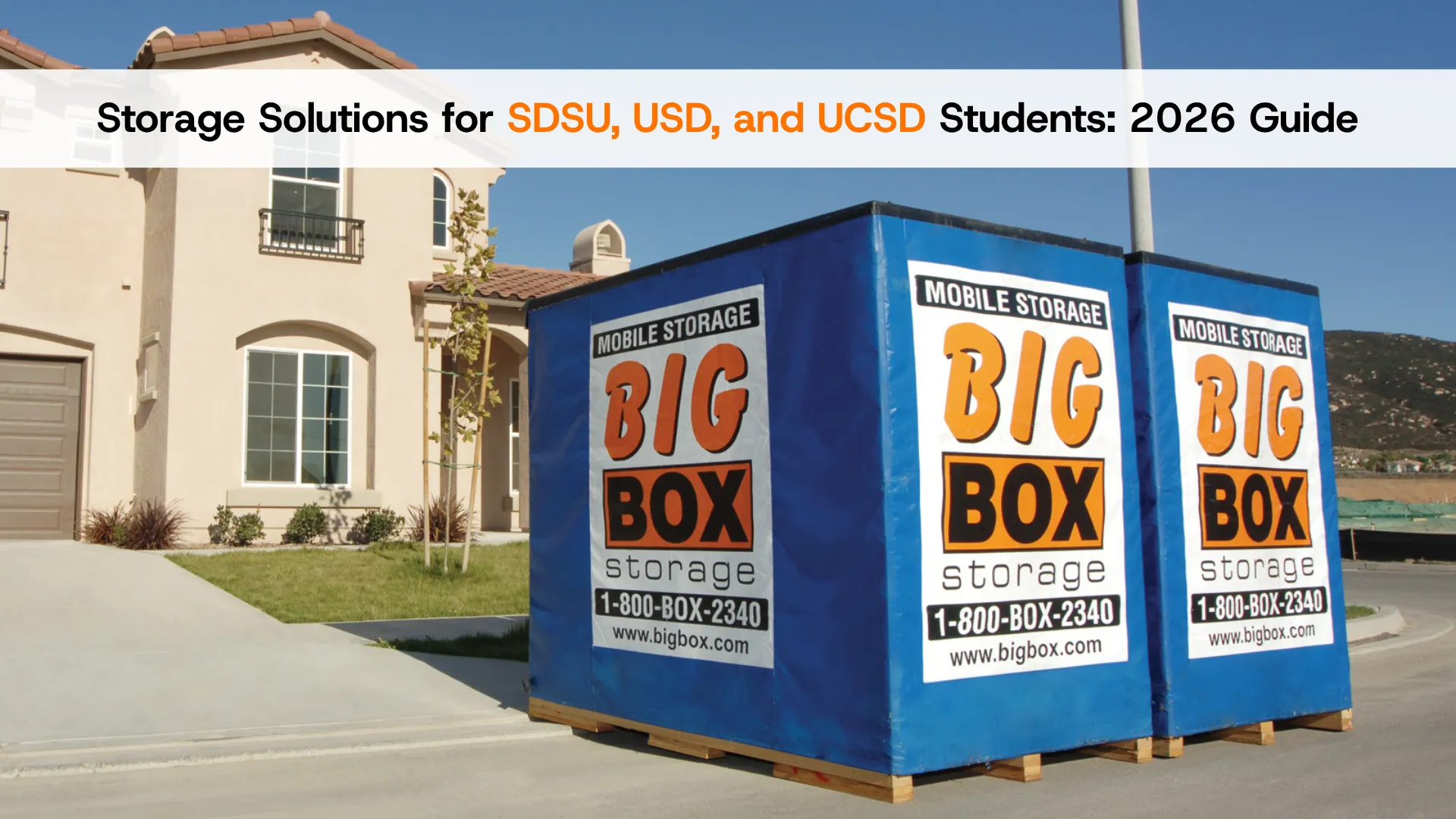
Students at SDSU have used portable storage units near SDSU for years because it solves the truck problem. Big Box Storage, a San Diego-based company, delivers a wood-lined container right to your apartment driveway or parking lot. You load it yourself. They pick it up. Done. 

What fits? A standard 8′ x 5′ x 7′ unit holds roughly the contents of a one-bedroom apartment – bed frame, desk, mini-fridge, boxes, bike. See what fits in a Big Box unit here. 

One thing worth knowing: SDSU’s campus sits in a hot inland pocket. Summer temperatures regularly hit 90°F+. If you’re storing electronics, vinyl records, or anything heat-sensitive, ask specifically about storing electronics safely – it matters more than people realize. 

Student Storage Made Simple

UCSD Students: Storage Near La Jolla and UTC

UCSD sits right on the coast, and students here deal with a very different issue – La Jolla is expensive and competitive. Lease timing near campus is tight, and a lot of students find themselves needing short-term storage between moves. 

Storage units near UCSD are a popular search during finals week every May and December. The portable storage model works especially well here because La Jolla streets are narrow, and parking is a constant battle. Having a unit delivered to a single address – then picked up – beats renting a van and driving across town twice. 

For UCSD students storing over summer: a month typically costs less than one night in a San Diego hotel. That math makes portable storage an easy call. 

USD Students: Storage in Mission Valley and Linda Vista

University of San Diego sits on a hill above Mission Valley. It’s a smaller campus than SDSU or UCSD, but students here face the same summer crunch. Leases in Linda Vista and Mission Hills aren’t cheap, and a lot of USD students are from out of state – going home means fully vacating their apartment. 

USD students looking for storage tend to need it for longer periods, often a full summer. That’s where month-to-month portable storage beats a traditional self-storage facility – you’re not locked into a long contract, and you’re not paying for more space than you need. 

Portable Storage vs. Self-Storage: Which One’s Actually Better for Students?

Honest answer? Portable storage wins for most students. Here’s why. 

Self-storage means you rent a physical unit at a facility, you transport your stuff there yourself, and you access it whenever you want. It can be cheaper per square foot – but only if you already have a truck and the time to make multiple trips. 

Portable storage means the unit comes to you. You pack it. They store it. You call when you need it back. No truck rentals. No driving. No loading dock at 11pm. 

The comparison between portable and conventional storage comes down to convenience. For a student with no car and a full course load, paying a little more for pickup and delivery is almost always worth it. 

One exception: if you need to access your stuff regularly during the storage period, self-storage is easier. Portable units aren’t designed for weekly access. 

What to Look for in a San Diego Storage Company

Not all storage companies treat students the same way. A few things to check before you book: 

Security. Does the facility have video surveillance? Big Box Storage completed video security enhancements – that kind of transparency matters when you’re storing your laptop and your grandmother’s lamp. 

Container type. Wood-lined containers are better than bare metal for temperature regulation and for preventing scratches on furniture. Metal shipping containers can get brutally hot in San Diego summers. 

Pickup and delivery area. Make sure they serve your specific neighborhood. Big Box Storage covers most of San Diego County, including College Area, La Jolla, Mission Valley, and Linda Vista. 

Student discounts. Ask. Some companies run summer savings deals specifically for college students – especially around May and August when demand spikes. 

The Bottom Line

Storage for college students in San Diego isn’t complicated – it just needs to be planned. If you’re at SDSU, USD, or UCSD and staring down a summer move-out, portable storage is the path of least stress. It’s not always the cheapest option per square foot, but when you factor in zero truck rental, zero driving, and zero hauling – it saves real money and real time. 

Frequently Asked Questions

Q: How much does student storage cost in San Diego?  

A: A portable storage unit starts around $99/month. Traditional self-storage runs $80–$200/month for a 5×10 or 10×10 unit. Pickup and delivery fees for portable storage typically add $75–$150 per trip.  

Q: Can I store my stuff at SDSU, USD, or UCSD on campus?  

A: Most San Diego colleges don’t offer summer storage for students. You’ll need an off-campus solution. Check with your specific housing office – policies change year to year. 

Q: How early should I book storage before the end of the semester?  

A: At least 3–4 weeks before moving out. May and early June are the busiest weeks for storage companies in San Diego. Book late and you might not get your preferred dates. 

Q: Is portable storage safe for electronics and valuable items?  

A: Yes, with the right precautions. Pack electronics in original boxes, when possible, use bubble wrap, and avoid storing in direct heat. Read the full guide on storing electronics safely. 

Q: Do I need renters’ insurance for a storage unit?  

A: Most storage companies require or strongly recommend it. Your existing renters’ insurance policy may already cover off-site storage – check before buying extra coverage.  

Q: What’s the easiest storage option if I don’t have a car?  

A: Portable storage. The unit comes to you, and you never need to transport anything yourself. It’s built for exactly this situation.

We Joined the BGCEC Golf Day – Here’s Why It Mattered

Some Fridays stick with you. 

May 29th was one of them. 

Big Box Storage was at Singing Hills Golf Resort at Sycuan in El Cajon as a Foursome Sponsor and Premium Tee Sponsor for the Boys & Girls Clubs of East County’s Golf Day 2026. It was a great day. More importantly, it was the right day to be part of. 

Here’s the full story. 

What Happened at Golf Day 2026

175 golfers showed up at the Oak Glen Course and spent the day doing something good. 

The format was simple – a shotgun-start tournament with on-course activities, food, drinks, and a dinner and awards ceremony at the end. The event ran from 8am to 4pm. Singing Hills is a beautiful course, and the crowd matched the energy. These weren’t people there just for the golf. They were there because they care about East County kids.  

That’s the kind of room we like being in. 

Why We Showed Up

Big Box Storage has been a San Diego company since 2003. 

Over those 20+ years, we’ve delivered portable storage units to driveways all over the county. La Mesa. Santee. Lakeside. El Cajon. These are neighborhoods we drive through every single week serving residential customersbusinesses, and military families across the region. 

They’re not just service areas on a map. They’re communities we’re part of. 

The Boys & Girls Clubs of East County operates in those same neighborhoods. They run after-school programs, teen centers, and safe spaces for kids who need them. Five clubhouse locations. Decades of consistent work. Real impact on real families. 

When they asked for support, the answer was easy. 

What BGCEC Does – And Why It Matters

A lot of kids in East County don’t have a safe place to go after school. 

BGCEC fixes that. They show up in La Mesa, Santee, El Cajon, and Lakeside every day with structure, adult mentorship, and programs that actually change outcomes for young people. 

They don’t make a lot of noise about it. They just do the work. 

Golf Day is how they fund that work. Every team on the course. Every sponsor on the tee box. All of it goes back to keeping those clubhouse doors open for kids who need them most. 

You can learn more and follow their upcoming events on the BGCEC website

What We Took Away

Sponsorships are easy to reduce to a logo and a check. 

This one felt different. Being on that course with 175 people who genuinely care about East County – that’s not something you get from a banner placement. It’s a reminder that community is built by showing up, not just writing about it. 

We serve El CajonSantee, La Mesa, and Lakeside every week. Backing the kids growing up in those neighborhoods is the least we can do. 

We’ll be back at Golf Day 2027. If you’re a local business thinking about where your sponsorship dollars should go next year — put this one on your list. 

See our community giving page for more on the organizations we support. And if you want to know more about us, our about page has the full story. 

Frequently Asked Questions

BGCEC is a nonprofit that serves youth across La Mesa, Santee, El Cajon, and Lakeside. They run after-school programs, teen centers, and youth development initiatives across five clubhouse locations. They’ve been a key part of East County communities for decades.

We participated as a Foursome Sponsor and Premium Tee Sponsor. The event was held on May 29th, 2026 at Singing Hills Golf Resort at Sycuan in El Cajon.

We’ve been serving San Diego since 2003. The communities BGCEC works in are the same ones we deliver to every week. Supporting the kids growing up there is part of being a real local business. Read more on our community giving page.

Yes. We provide portable storage in El Cajon and across San Diego including SanteeLa Mesa, and Lakeside. See all our service areas here.

View All FAQs

Best Way to Pack Books When Moving (Without Damaging Them) 

You’ve spent years building your book collection. Some of them are dog-eared and beloved. Some are first editions you’d never replace. And then moving day arrives, and suddenly every single one of them is at risk – cracked spines, warped covers, moisture damage, or worse, a box that gives out halfway down the stairs. 

Here’s the thing: most packing guides tell you to use small boxes and wrap things in paper. That’s true, but it barely scratches the surface. This guide covers everything from the basics to the stuff most movers only learn after something goes wrong. 

Step 1: Declutter Before You Pack a Single Book

This is the step most people skip, and they regret it. A typical book weighs 1–2 pounds, and on long-distance moves, transport costs run roughly $0.50–$1.00 per pound – meaning a 200-book collection you haven’t touched in years could cost you $200–$400 just to haul to your new home. 

Before you pull out a single box, go shelf by shelf. Pull out duplicates, books you’ll never re-read, and titles you could easily access at a library or digitally. Donate good-condition books to local libraries, schools, or used bookstores. Sell anything valuable online – it offsets moving costs and lightens the load considerably. 

Only once you’ve made hard decisions about what stays should you start packing. Fewer books = fewer boxes = less money and less back pain. 

Step 2: Gather the Right Supplies

You don’t need a ton of materials, but you do need the right ones. Using the wrong box or skipping padding is how books get damaged. 

Here’s your packing supply checklist: 

  • Small to medium boxes – Never use large boxes for books. Even a medium box full of hardcovers can weigh 60-80 pounds, which is a back injury waiting to happen and will likely cause the bottom to blow out. 
  • Packing tape – Reinforce the bottom of every box in an H-pattern before loading anything in. Books shift more than you’d expect once a truck starts moving. 
  • Packing paper or clean newsprint – For separating covers and filling gaps. Avoid printed newspaper ink – it can transfer onto pages and ruin covers. 
  • Bubble wrap – Reserve this for rare, signed, or antique editions. You don’t need it for everyday paperbacks. 
  • Acid-free tissue paper – Essential if you’re packing older or collectible books. Acid-free paper helps prevent pages from yellowing during storage or transit. 
  • Permanent markers and labels – You’ll thank yourself on unpacking day. 
  • Silica gel packets – A tip most guides completely skip: tossing a few silica gel packets into book boxes absorbs excess moisture during the move, especially useful if you’re relocating during monsoon season or to a humid climate. 

Step 3: Sort Your Books Before Packing

Random packing creates awkward gaps, uneven weight, and a nightmare when you try to unpack. Take 20 minutes to sort first. 

Organize by size – hardcovers together, paperbacks together, oversized coffee table books separately. Separate hardcovers from paperbacks, as they require slightly different packing approaches. Identify rare, valuable, or sentimental books that need special protection. 

Sorting by size also means you’ll pack more efficiently – books of similar dimensions leave fewer gaps and create more stable stacks inside boxes. 

Guide to Pack Books The Right Way

Step 4: Pack Books the Right Way (Position Matters More Than You Think)

This is where most people go wrong. Book positioning inside a box directly determines whether spines crack, pages warp, or bindings separate. 

Here are the three valid packing positions: 

Flat on their backs (stacked): Best for hardcovers of the same size. Pack them flat with spines alternating directions to distribute weight evenly. Stack three to four books per layer, then add a layer of packing paper or a folded towel before starting the next layer. 

Standing upright (spine against the box wall): Works well for sturdy hardcovers. Place the hardcover books upright in the box, just as you would place them on a shelf – with the spine facing the side of the box, not up or down. 

Spines facing downward: Packing your books with the spine against the bottom ensures that your pages are less likely to be damaged. This works particularly well for paperbacks. 

One rule that never changes: books packed with spines facing up experience pressure on their weakest point, causing pages to separate from the bindings. Never pack spines upward. 

Put heavy books on the bottom, medium-weight books in the middle, and light books on top. This will prevent your more delicate books from getting crushed. 

Step 5: Keep Boxes at a Safe Weight

A properly packed book box should weigh no more than 30–40 pounds so you can comfortably carry it. Test the weight as you pack. If a box feels too heavy, remove a few books and start a new box. 

Use the remaining space in lighter boxes for soft, lightweight items – pillows, linens, or stuffed animals work perfectly and double as extra padding for your books. 

After filling, press lightly on the top layer. If books shift, fill the gap with crumpled packing paper or a folded towel. Books should feel snug but not forced – nothing should move, but nothing should be bent either. 

Step 6: Special Care for Rare, Antique, or Collectible Books

Everyday paperbacks can handle a basic pack-and-go approach. Rare editions, first prints, signed copies, and leather-bound books are a completely different matter. 

Photograph them first. Photograph each valuable book before packing – both covers and any visible damage – for insurance records and condition confirmation. This step takes five minutes and could save you thousands if something gets damaged in transit. 

Use archival-quality materials. Wrap each rare book in acid-free tissue or archival wrap, then add a second layer of packing paper or bubble wrap. This creates a protective barrier and prevents covers from rubbing together. 

Box them separately. Pack rare books in their own dedicated boxes, separate from your general collection. Mark these boxes clearly as “FRAGILE” and consider transporting them in your personal vehicle rather than on the moving truck if possible. 

Watch the climate. Rare books are sensitive to heat and humidity, even during short periods in transit. Avoid leaving them in moving trucks, garages, or other non-climate-controlled areas for too long. If possible, load them last and unload them first to minimize their time in hot or damp environments. Even temporary exposure can cause warping, mold, or other types of damage. 

For truly irreplaceable collections, consider contacting a specialist removal company experienced in handling archival materials – the cost is worth the peace of mind. 

Step 7: Label Everything Specifically

“Books” is not a label. Label each box with its contents and destination room – for example, “Fiction – Living Room” or “Cookbooks – Kitchen.” This step takes 30 seconds per box and will save you hours of frustration when you’re standing in a pile of boxes on the other end. 

Add handling notes too – “Heavy,” “Fragile,” and the destination room should all be on at least two sides of the box, so the label is visible no matter how the box gets stacked. 

Common Packing Mistakes That Damage Books

Even experienced movers make these errors: 

  • Using oversized boxes – They cave under book weight and are impossible to carry safely 
  • Packing spines upward – This is the single most common cause of binding damage 
  • Skipping the tape reinforcement – Box bottoms fail under heavy loads 
  • Using newspaper ink directly on covers – The ink transfers and stains 
  • Packing books too loosely – Books shift in transit and arrive with bent corners and torn covers 
  • Storing books improperly after packing – Always keep book boxes in dry, temperature-controlled areas 

Alternative Packing Ideas Worth Knowing

No boxes lying around? Rolling suitcases work surprisingly well – they’re sturdier, more spacious, and come with wheels, making them much easier to transport to and from the moving van. This is especially practical for heavy hardcover collections. 

If your suitcase has interior straps, use them to secure the books in place. 

When You’re Not Moving Immediately – Consider Storage

Sometimes a move isn’t door-to-door. Maybe there’s a gap between leases, a renovation delay, or you’re downsizing and need time to figure out what stays. In those situations, your books need a safe place to live that isn’t a damp garage or a climate-uncontrolled unit. 

Big Box Storage is an ideal solution for book lovers who need reliable, accessible storage during a move. With clean, secure storage units and the flexibility to store your collection short or long-term, it removes the anxiety of stacking book boxes in a corner and hoping for the best. Whether it’s a few boxes of your regular reads or an entire rare collection waiting for its new home, Big Box Storage gives your books the environment they deserve while your move comes together. 

Final Thought

Packing books well isn’t complicated – but it does require intention. Use small boxes, reinforce the bottoms, respect the weight limit, position spines correctly, and give your valuable editions the individual attention they need. Do that, and your collection will arrive exactly as it left: intact, organized, and ready to fill new shelves. 

Your books traveled a long way to end up in your hands. A little care on moving day is the least you can do. 

Frequently Asked Questions

The best way to pack books is to use small sturdy boxes, place heavier books at the bottom, and pack them flat or upright with proper padding to prevent damage during transport. 

Books can be packed flat or upright depending on their size and type. Hardcovers are safest packed flat or upright with the spine against the box wall, never facing upward.

Use clean packing paper, sealed boxes, and silica gel packets to absorb excess moisture. Keep book boxes in dry, climate-controlled areas whenever possible.

A book box should ideally weigh no more than 30–40 pounds. Smaller boxes are easier to carry and reduce the risk of box damage or back injuries.

College students can move books more easily by using rolling suitcases, decluttering old textbooks, packing only essentials, and labeling boxes by subject or semester. 

View All FAQs

How to Downsize Your Home (And What to Do with Everything That Won’t Fit)

Quick Answer: Downsizing your home means more than moving – it means deciding what to do with everything that won’t fit in your new space. The most effective approach is a four-category framework: keep, store, donate, or sell. Portable storage units are especially useful during this transition, giving you a physical buffer to sort belongings without forcing premature decisions. Most people underestimate the time needed – start the process at least 90 days before your move date.

Most people think the hardest part of downsizing is finding the smaller home. It isn’t. The hardest part is standing in a living room full of furniture, knowing a third of it won’t fit – and having no plan for what happens next. 

Here’s the thing most people miss: downsizing isn’t a decluttering project. It’s a logistics problem with an emotional layer on top. When you treat it that way, the whole thing becomes a lot more manageable. 

Who’s Downsizing Right Now – and Why It Matters 

Downsizing is no longer just a retirement milestone. According to the National Association of Realtors (NAR), roughly 73% of recent homebuyers had no children under 18 living at home – a signal that today’s housing market is increasingly shaped by smaller households. With the median homebuyer age rising into the late 50s, many of these buyers are older adults transitioning out of long-held family homes, often reevaluating how much space they actually need. 

But that’s only part of the story. A second, often overlooked group is younger buyers who aren’t downsizing by choice – they’re right-sizing out of necessity. In high-cost markets like San Diego, where median home prices have climbed well around or above $800,000, many buyers in their 30s and 40s are opting for smaller condos simply because larger homes are out of reach. The result is the same logistical challenge – less space – but a very different emotional context. 

Both groups arrive at the same question: you have a house full of belongings, but less room to keep them. What stays, and what goes

The Four-Category Framework: Keep, Store, Donate, Sell 

Stop sorting by room. Start sorting by decision. 

Every item in your home belongs in one of four buckets, and the faster you apply this framework, the less overwhelmed you’ll feel. 

Keep – Items that fit your new space physically and serve a real purpose in your new life. Be honest here. A 12-person dining table doesn’t belong in a two-bedroom condo, no matter how much you love it. 

Store – Items you’re not ready to part with but don’t have room for yet. Seasonal equipment, family heirlooms, a second car, hobby gear for the garage you no longer have. This isn’t avoidance – it’s a legitimate category. Portable storage is purpose-built for exactly this gap. With Big Box Storage’s portable storage solutions, a unit gets dropped at your driveway, you load it on your timeline, and it moves when you do. 

Donate – Functional items you don’t need. Goodwill, Habitat for Humanity ReStores, local shelters, Buy Nothing groups on Facebook. San Diego has strong donation infrastructure – use it. 

Sell – Furniture, appliances, and collectibles with real resale value. Facebook Marketplace, Craigslist, and estate sale companies all work well for this. Don’t underestimate what a good mid-century credenza or solid wood bookcase will fetch. 

The mistake most people make is defaulting everything to “keep” or “donate” while skipping the sell and store categories entirely. Those two categories are where you actually solve the problem. 

Room-by-Room: Where to Start 

Order matters. Start with the lowest emotional weight, build momentum, then tackle the hard rooms. 

Garage and storage areas first. This is where the obvious discards live – duplicates, broken items, things you forgot you owned. Clear this first and you’ll generate immediate physical space to work in. 

Guest bedroom second. Often doubles as a holding zone for stuff without a home. Sort it, don’t shuffle it. 

Living room and dining room third. Furniture scale is the central challenge here. Measure your new space before you decide anything. A sofa that seats six will dominate a 400-square-foot living room. 

Primary bedroom last. This carries the most personal weight. Give it the time it needs. 

Furniture That Won’t Fit: Storage vs. Marketplace 

This is where people get stuck. You have a piece you love – or inherited – but it simply doesn’t belong in a 1,200-square-foot condo. 

The honest answer: if you’re not planning to use a piece within the next 12 months, a storage solution can give you the flexibility to hold onto it without overcrowding your current space. Storage boxes or units let you preserve items you value while giving yourself time to decide what truly fits your lifestyle – without the pressure to make a quick decision. 

That said, there are legitimate reasons to store furniture during a transition. If you’re moving into a temporary space while a renovation finishes, or you’re bridging between selling and buying, keeping furniture in a portable storage unit for a few months makes financial sense. You’re not paying to store indefinitely – you’re buying time to make the right decision without pressure. 

Simple Sorting Guide

Why Portable Storage Works Better Than a Truck for Downsizing 

Traditional moving truck logic assumes you know exactly what you’re taking on move day. Downsizing rarely works that way. You’re making decisions in real time, often discovering mid-pack that the bookcase won’t fit or the guest room bed needs to go. 

Portable storage units flip this dynamic. You load at your own pace, over days or weeks. You can pull items back out if you change your mind. The unit travels to your new address – or stays in storage – based on what you actually need, not what you guessed you’d need in advance. 

For downsizers in San Diego specifically, this matters because many transitions involve staging a home for sale while still living in it. A portable unit in the driveway can hold furniture and boxes that would otherwise clutter showings, without requiring you to rent a separate storage facility mid-move. If you want to compare portable storage with traditional self-storage to see which fits your situation, that breakdown covers costs, access, and logistics side by side. 

The Downsizing Timeline: 90 Days Out to Move-In Day 

90 days out: Apply the four-category framework room by room. Start donation runs. List high-value items for sale. 

60 days out: Schedule your portable storage unit delivery. Begin packing non-essentials. Confirm furniture dimensions against your new floor plan. 

30 days out: Finalize keep vs. store decisions. Complete sales. Clear donated items. 

Move week: Load your portable unit. Stage the home for final walkthrough or photos. Let the unit do the heavy lifting – literally. 

After move-in: Unpack keep items. Access your storage unit as needed. Make final sell or donate decisions for stored items within 6–12 months. 

Final Thoughts 

The real secret to downsizing well isn’t sentimentality management or ruthless minimalism. It’s giving yourself enough time and enough physical space to make decisions without panic. A portable storage unit isn’t a crutch – it’s the tool that makes thoughtful decisions possible. 

Start earlier than you think you need to. Sort by decision category, not by room. And remember: the goal isn’t an empty house. It’s a new home with exactly what you need in it. 

What Is a Portable Storage Unit and How Does It Work? 

You are looking at a garage that’s completely full and you have to move in three weeks, but you do not want to rent a truck and do everything in one busy Saturday. This situation is very common. 
The problem is that traditional moving methods can be very stressful. That is why portable storage units were created. They are a good alternative to traditional self-storage. Once you understand how they work, it is easy to see why they are a choice. 

What is a Portable Storage Unit? 

A portable storage unit is a container made of wood that’s resistant to bad weather. It is delivered to your home, so you do not have to drive your things to a storage unit. This container is very easy to use. You can walk your items into it and load them at your own pace. When you are done, you can keep the unit at your house. Or you can have the company pick it up and store it in a safe place. 

Big Box Storage offers portable storage units and delivers them to homes in San Diego. You can load them on your own schedule. Then they store the units in a place until you need your things again. 

How Does the Process Work? 

The process of using a portable storage unit is very simple. 

Step 1: You order the unit. Schedule a delivery date. 
The company delivers the unit to your home. You can load it at your own pace. This is an advantage over traditional moving methods, where you must load everything in one day. 

Step 2: You load the unit yourself. 
This is beneficial because you can pack your items in the order you want, and you can make sure that fragile things are wrapped carefully. You do not have to give your things to strangers to move. 

Step 3: You choose what to do with the unit. 
When you are done loading, you can have the company pick up the unit and store it in a place. If you are moving to a new home, the unit can be delivered to your new address. If you need to store your things for a while, the unit can be stored at a facility until you are ready. 

Who Uses Portable Storage Units? 

Many people use portable storage units. 

Homeowners who are renovating their homes often need to clear out rooms. They do not want to move everything. A portable storage unit is a solution. 

Families who are selling their homes and moving to a new one often need a place to store their things while they are in between homes. 

Businesses use portable storage units to store inventory, tools, and equipment. 

Military families use them to store their belongings when they are deployed. 

Big Box Storage offers portable storage units that are designed to meet the needs of people. 

Portable Storage vs Traditional Self-Storage 

Self-storage has been around for a long time, and many people are familiar with it. However, it can be very inconvenient. You must rent a truck, make trips, and fit everything into a busy schedule. 

Portable storage units are much easier to use. The unit is delivered to your home. You can load it at your own pace. You do not have to worry about renting a truck or making trips. 

However, portable storage units may not be the best choice for everyone. If you need to access your things every day, a traditional self-storage unit might be better. For most people, portable storage units are the better choice. 

Can You Use a Portable Storage Unit for Long-Distance Moves? 

Yes, you can use a portable storage unit for long-distance moves. 

With traditional moving methods, you have to hire movers and trust them with your things. With a portable storage unit, you can load your things yourself, and the unit is delivered to your home. You can unload your things at your pace. 

Big Box Storage offers portable storage units that can be shipped to locations across the US. This makes them a good choice for people who are moving across the country. 

Frequently Asked Questions

A: A portable storage unit is a container that gets delivered to your home or business. You load it yourself. Then it can be stored at your place, taken to a facility, or moved to a new location. 

A: Most providers let you rent it monthly. You can keep the portable storage unit as long as you need it. When you’re done, you can request it to be redirected.

A: Quality portable storage units are made of wood. They can handle different weather conditions. If you have items that are sensitive to temperature, ask your provider if they have climate-controlled storage available.

A: The cost of a portable storage unit depends on its size, how long you rent it, and if you need it to move or store it at a facility. Big Box Storage starts at $89. This makes it one of the more affordable options in San Diego. 

A: Most companies need someone to be home when the portable storage unit is delivered. This is to confirm where it is placed. When it’s picked up, it’s often more flexible. Check with your provider for their policy. 

Best Way to Unpack After Moving: A Room-by-Room Guide

Best way to unpack after moving starts with a plan, not with ripping open the nearest box. After the exhaustion of packing, loading, and transporting everything you own, the last thing most people want to face is a mountain of cardboard in every room. But how you approach unpacking determines whether you settle into your new home in days or spend weeks tripping over half-opened boxes. If you recently went through the stress of packing everything up, you already know how important organization is, and our guide on how to pack a bedroom covers the other side of this process in detail.

This guide breaks down a proven strategy to help you unpack efficiently, stay organized, and actually enjoy your new space from day one.

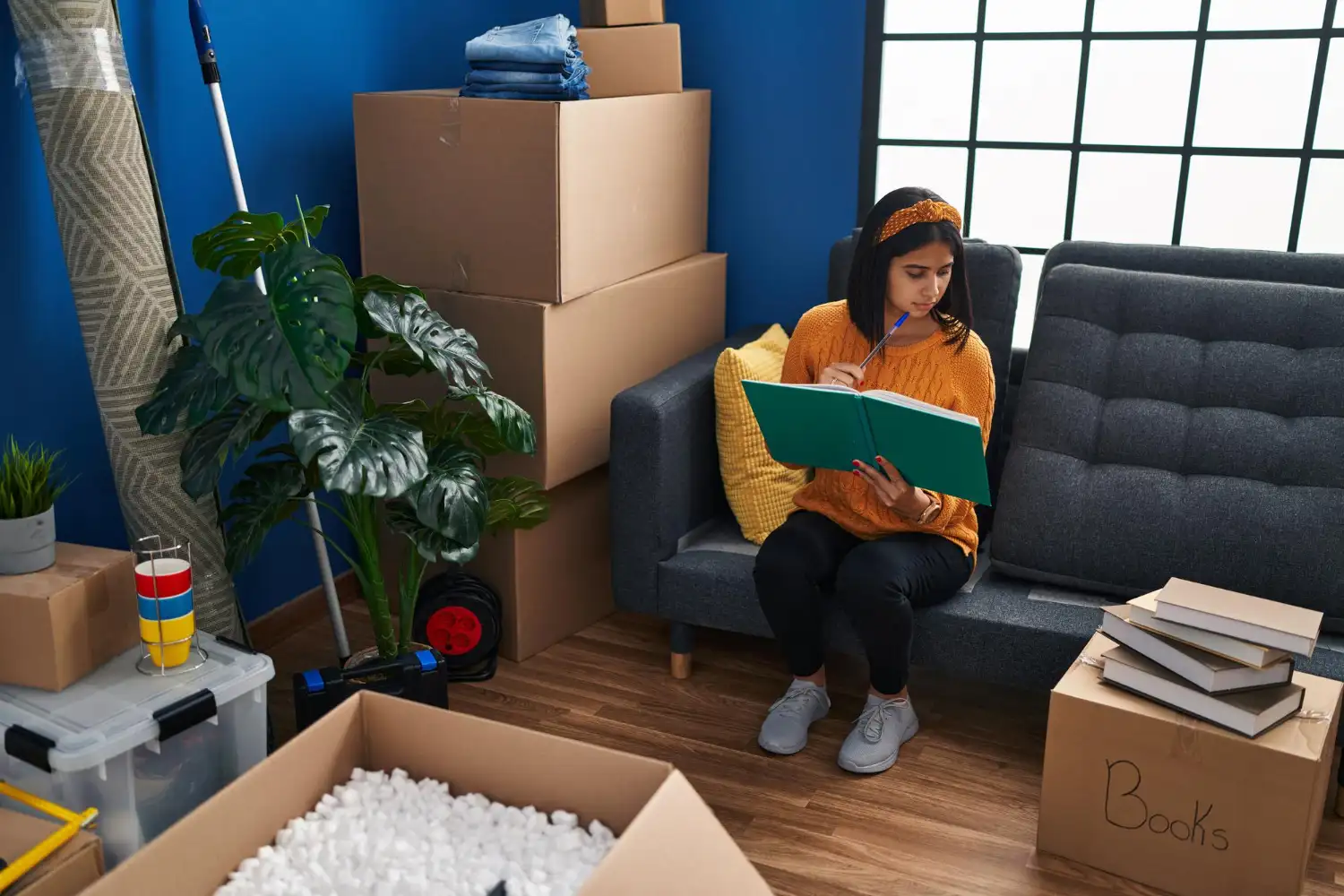
Woman sitting on couch writing an unpacking checklist surrounded by moving boxes and packing supplies showing the best way to unpack after moving

Why Having an Unpacking Strategy Matters

Most people think unpacking is the easy part. You just open boxes and put things away, right? In reality, unpacking without a plan leads to clutter, misplaced essentials, and the dreaded situation where half your home is livable and the other half is a storage room of unopened boxes for months.

A structured approach saves you time, prevents duplicate purchases of things you cannot find, and helps you make intentional decisions about where everything belongs in your new layout. Your new home has different cabinet sizes, closet configurations, and room dimensions than your old one. Unpacking is your chance to set up organizational systems that actually work for the space you are living in now rather than recreating the same setup from before.

Before You Open a Single Box

Resist the urge to dive in immediately. Before you unpack anything, take thirty minutes to walk through your new home and map out where you want things to go. Open every cabinet, closet, and drawer. Get a feel for the available storage and think about what makes sense for your daily routines.

If it helps, use sticky notes to label shelves and drawers with what you plan to put there. This is especially useful if you have family members or friends helping you unpack because everyone will know exactly where items belong without having to ask.

Also, make sure your cleaning supplies are accessible. You will want to wipe down shelves, countertops, and the insides of cabinets before loading them up with your belongings. A quick clean before unpacking saves you from having to remove everything later.

Start With Your Essentials Box

If you packed a first-night essentials box before your move, now is the time it earns its value. This box should contain the things you need to survive the first twenty-four hours: toiletries, a change of clothes, phone chargers, medications, basic kitchen items like paper plates and cups, snacks, coffee, trash bags, and toilet paper.

If you did not pack one, simply locate the boxes containing these items first and open those before anything else. Having these basics available immediately takes the pressure off and lets you unpack the rest at a reasonable pace instead of frantically searching through dozens of boxes for your toothbrush.

The Room-by-Room Unpacking Order

There is a logical sequence to unpacking that prevents wasted effort and keeps you moving forward. Follow this order for the smoothest experience.

Kitchen First

The kitchen is the heart of any home, and getting it functional should be your top priority. You need to eat, drink water, and make coffee, so this room earns first place every time.

Start with everyday essentials like plates, glasses, mugs, utensils, and a few key pots and pans. Set up your coffee maker or kettle. Get dish soap and a sponge in place by the sink. Once the basics are handled, move on to pantry items, small appliances, and specialty cookware. Leave decorative items and rarely used gadgets for last.

Take this opportunity to rethink your kitchen layout. Place the items you use daily in the most accessible spots. Heavy pots can go in lower cabinets, while seasonal bakeware gets tucked into harder-to-reach areas.

Bathrooms Next

After the kitchen, the bathrooms come second. You want to be able to shower, brush your teeth, and feel human again. Unpack towels, soap, shampoo, toilet paper, and medications first. Hang the shower curtain and lay out a bath mat. If you have multiple bathrooms, prioritize the one the whole household will use most.

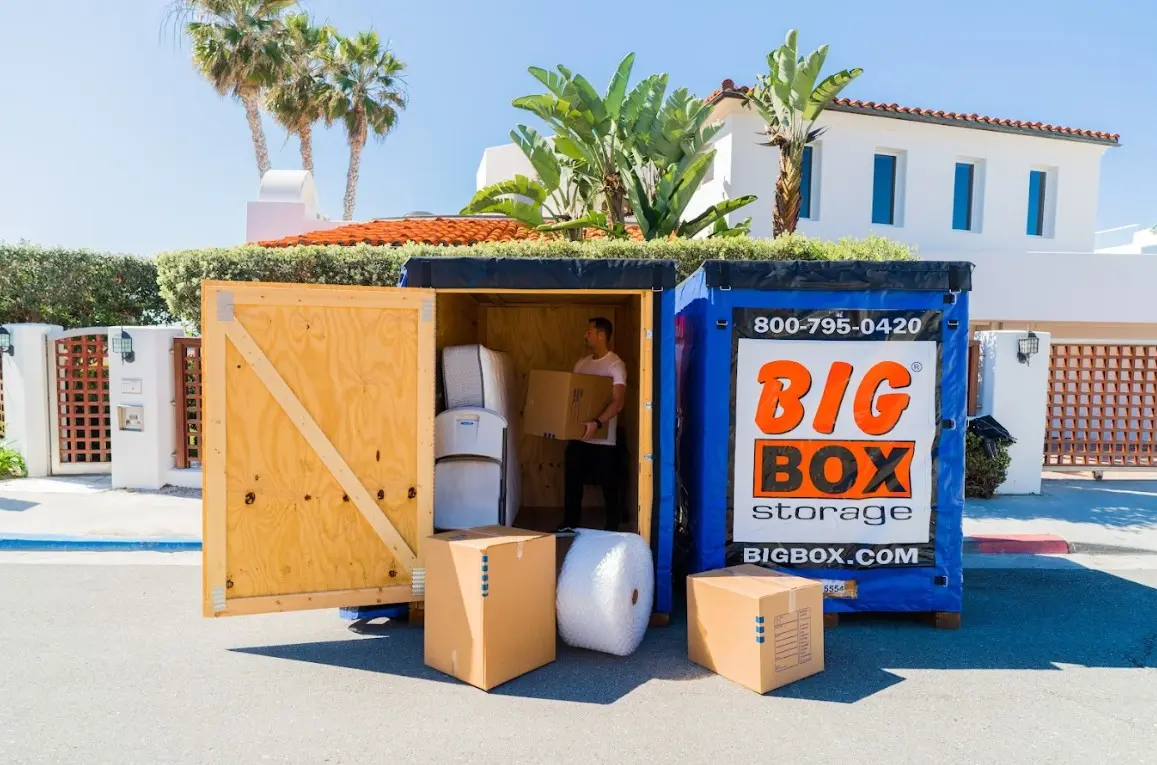
Man unloading moving boxes and bubble wrap from an open Big Box Storage container as part of the best way to unpack after moving to a new home

Bedrooms for a Good Night’s Sleep

A proper bed is non-negotiable after a long moving day. Assemble your bed frame if needed, get the mattress set up, and make the bed with fresh sheets and pillows. Unpack a few outfits and hang them in the closet so you are not digging through boxes in the morning.

You do not need to organize your entire wardrobe right away. Focus on the next three to five days of clothing and handle the rest once the higher-priority rooms are complete.

Living Room and Common Areas

Once the essentials are covered, turn your attention to the living room. Set up the couch, connect the TV, and arrange a few comfort items like throw blankets and pillows. This gives your household a place to relax and decompress after a long day of unpacking.

If you have a home office and work remotely, treat that as a priority alongside the living room. You need a functional workspace to get back to your routine.

Spare Rooms, Garage, and Storage Areas

Dining rooms, guest bedrooms, the garage, and any bonus rooms come last. These spaces are not critical for daily life, so they can wait a few days or even a couple of weeks without causing any disruption.

For items that you know you will not need right away, such as holiday decorations, seasonal clothing, or archived documents, consider keeping them packed and placing them directly into a portable storage container until you are fully settled. This keeps your living spaces clear and gives you breathing room to unpack at your own pace.

Break Down Boxes as You Go

One of the biggest mistakes people make is unpacking boxes and leaving the empty cardboard piled up in the corner. Flatten each box as soon as you finish with it and move it to a designated spot, whether that is the garage, a recycling bin, or a stack by the front door for disposal.

Getting rid of packing materials in real time makes your home feel more settled faster. The visual clutter of empty boxes tricks your brain into thinking you still have a long way to go, even when you have made significant progress.

Declutter While You Unpack

Moving is one of the best opportunities to edit your belongings. As you unpack each box, ask yourself whether each item deserves a spot in your new home. If you forgot you owned something or cannot figure out where it should go, that is a strong signal to donate or discard it.

Set up two designated bins or bags near your unpacking area, one for donations and one for trash. Making these decisions in the moment is far easier than unpacking everything and trying to declutter later when items already have an assigned place.

Set Realistic Expectations

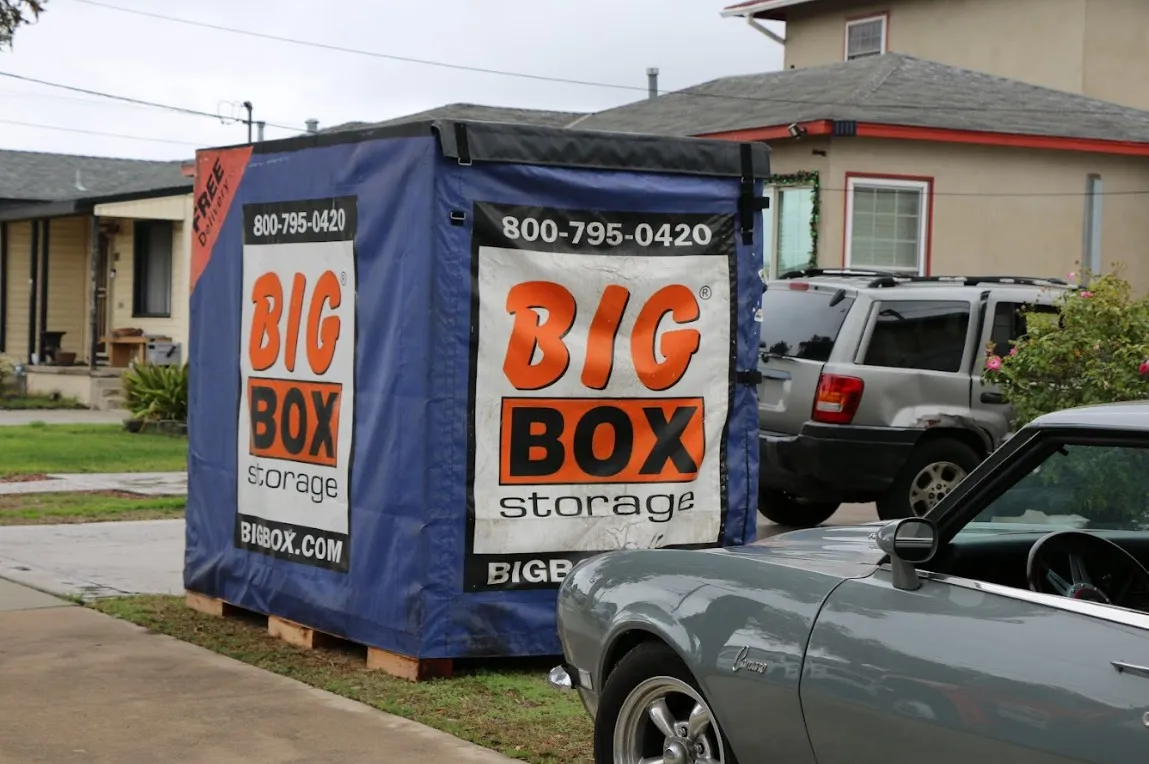
Big Box Storage portable container delivered to a residential driveway in San Diego ready for easy unpacking after moving

Professional organizers estimate that fully unpacking a home takes anywhere from a few days to several weeks depending on the size of your household. Do not expect to have everything perfectly placed on day one. Focus on making each room functional first and circle back for the finishing touches like hanging art, arranging bookshelves, and styling decor once the necessities are handled.

Break the process into manageable sessions rather than exhausting yourself in one marathon push. Tackle one or two rooms per day and celebrate the progress you make. The goal is a home that feels livable and organized, not a race to empty every box as fast as possible.

Quick Recap: Your Unpacking Game Plan

To wrap up, the best way to unpack after moving follows a clear sequence. Walk through your home and map out where things will go before opening any boxes. Unpack your essentials box first so you have what you need for the first night. Tackle the kitchen, then bathrooms, then bedrooms in that order. Set up the living room and home office next. Save spare rooms and storage areas for last. Break down boxes immediately and declutter as you go. Give yourself grace and take it one room at a time.

Moving into a new home should feel exciting, not overwhelming. With the right strategy, you can turn a chaotic pile of boxes into a comfortable, organized home faster than you think.

How to Move Jewelry Safely: Tips to Protect Your Pieces

How to move jewelry without losing, tangling, or damaging your favorite pieces is one of the most overlooked parts of any relocation. Whether you own a handful of sentimental rings or an entire drawer full of necklaces and bracelets, jewelry requires extra care that most moving boxes simply cannot provide. Unlike bulky furniture or kitchen appliances, jewelry is small, delicate, and often irreplaceable. If you have been busy getting ready for a big move, you might also want to check out our guide on how to pack a TV for moving to make sure all of your fragile belongings arrive in one piece.

In this guide, we will walk you through everything you need to know to pack and transport your jewelry collection safely, whether you are moving across town or across the country.

Delicate jewelry carefully packed in a small box with protective shredded paper showing how to move jewelry safely during a move

Why Jewelry Deserves Special Attention on Moving Day

Most people spend hours wrapping dishes and padding furniture but forget about the small velvet box sitting on the dresser until the last minute. Jewelry is uniquely vulnerable during a move for several reasons. Chains tangle easily when tossed into a bag together. Gemstones can chip if they knock against each other. Earring backs disappear into the seams of cardboard boxes. And perhaps most importantly, jewelry is a high-theft target that should never be packed inside a standard moving truck without supervision.

Taking a little extra time to plan how you handle your jewelry on moving day can save you from heartbreak, costly repairs, and insurance claims down the road.

Sort and Inventory Your Collection First

Before you start wrapping anything, take stock of what you actually own. Lay everything out on a clean, soft surface like a towel and sort your pieces into categories.

Separate your items into everyday jewelry, fine or high-value pieces, costume jewelry, and sentimental items. Photograph each piece individually, especially anything of significant financial or emotional value. This visual record serves as both a packing checklist and documentation for insurance purposes in case something goes missing.

Once you have a clear picture of your collection, decide which pieces you want to keep on your person during the move and which can be packed. Anything extremely valuable, such as engagement rings, heirloom necklaces, or high-end watches, should travel with you personally and never go into a moving box.

Essential Packing Supplies for Jewelry

You do not need expensive specialty products to protect your jewelry during a move. Most of what you need is already lying around your home. Gather the following supplies before you begin.

Use small resealable plastic bags for earrings and loose stones. Soft microfiber cloths or tissue paper work well for wrapping individual pieces. Egg cartons are perfect for storing rings and stud earrings in separate compartments. Plastic straws can keep thin chain necklaces from tangling when you thread the chain through. Small cardboard boxes, pill organizers, or even ice cube trays can serve as dividers. Packing tape, rubber bands, and labels round out your kit.

If you already have jewelry boxes with built-in compartments, those are ideal for transport. Just make sure items cannot shift around by filling empty spaces with cotton balls or tissue.

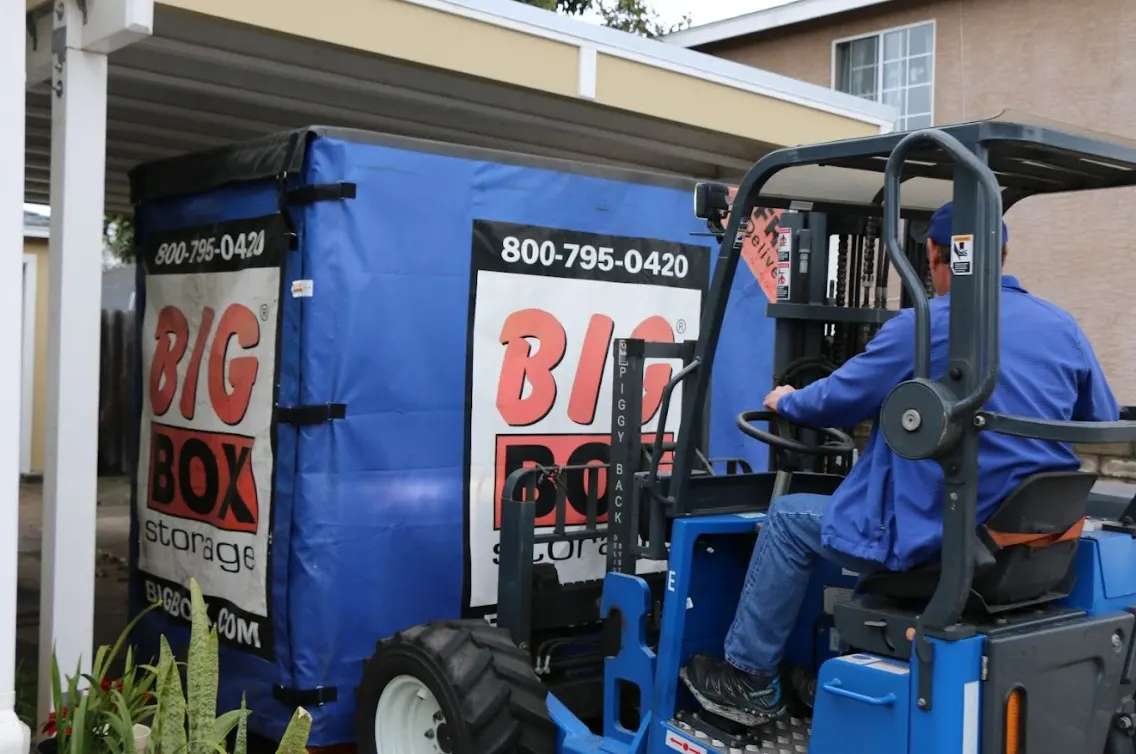
Big Box Storage employee operating a forklift to deliver a portable storage container to a residential home in San Diego

How to Pack Necklaces Without Tangling

Necklaces are the trickiest items to move because chains love to knot themselves the moment they touch another chain. Here are a few proven techniques.

For thin chain necklaces, unclasp one end and thread it through a plastic drinking straw, then re-clasp. The straw keeps the chain rigid and prevents it from twisting around other pieces. For beaded or thicker necklaces, lay each one flat on a piece of tissue paper, fold the paper over gently, and roll it into a soft tube. Secure with a small piece of tape.

You can also use the cling wrap method. Press each necklace flat against a sheet of plastic wrap, then lay another sheet on top. The static holds each piece in place and keeps everything separated.

How to Pack Rings, Earrings, and Bracelets

Rings can scratch each other if they share the same pouch, so wrap each ring individually in a small piece of tissue or place them in separate slots of an egg carton or pill organizer. If you are packing multiple rings together, put each one in its own small bag first.

For earrings, keep pairs together by poking studs through a small piece of cardboard or a button and securing the backs. Dangle earrings should be wrapped individually in tissue to prevent bending.

Bracelets and bangles can be stacked together if they are made of the same material, but separate metals from gemstone pieces. Wrap each stack in a soft cloth and place them upright in a small box so they do not shift.

Keep High-Value Jewelry With You

This is the single most important rule when figuring out how to move jewelry. Never put your most valuable pieces into the back of a moving truck. Pack them in a personal bag or carry-on that stays with you at all times during the move.

Consider using a portable storage container for the rest of your belongings, which gives you the flexibility to pack and load on your own schedule while keeping your home secure. With a container delivered right to your driveway, you control the process and can keep your jewelry packed separately until you are ready to transport it yourself.

A small, padded jewelry travel case or even a zippered makeup bag works perfectly for carrying your high-value items. Keep it in your car, handbag, or backpack rather than placing it in any box that will be handled by someone else.

Special Considerations for Long-Distance Moves

If you are moving across state lines or shipping your belongings, take a few extra precautions with your jewelry.

Contact your homeowner’s or renter’s insurance provider and confirm that your jewelry is covered during transit. Some policies have specific exclusions for items in moving trucks. If you own pieces above a certain value threshold, you may need a separate jewelry rider or floater policy.

For extremely valuable collections, consider shipping insured through a specialized service rather than packing them with the rest of your household goods. Many jewelers and specialty shipping companies offer secure transit options with full insurance coverage.

Big Box Storage delivery truck transporting two portable storage units through a San Diego residential street for a local move

Unpacking and Organizing at Your New Home

Once you arrive at your new place, unpack your jewelry early, ideally before you tackle the kitchen or living room. This reduces the chance of a small jewelry box getting buried under heavier items or accidentally thrown out with packing materials.

Check each piece against your photo inventory to make sure nothing is missing. Inspect for any damage such as loose prongs, bent clasps, or missing stones. If you notice any issues, document them immediately for insurance purposes.

Set up a temporary jewelry station, even if it is just a towel on the bathroom counter, so that everything has a designated spot while you get settled.

Quick Recap: Moving Jewelry the Right Way

To summarize the best practices for moving your jewelry safely, start by inventorying and photographing your collection. Sort items by type and value. Gather simple packing supplies like bags, tissue, straws, and small boxes. Pack necklaces using straws or cling wrap to prevent tangling. Wrap rings and earrings individually and keep pairs together. Carry high-value and sentimental pieces with you personally. Confirm insurance coverage, especially for long-distance moves. Unpack and inspect your jewelry first at your new home.

Moving can be stressful, but your jewelry does not have to be a casualty of the process. A little preparation goes a long way toward making sure every ring, necklace, and bracelet arrives at your new home exactly the way it left the old one.

How to Pack a Bedroom: The Complete Guide to Stress-Free Moving

Packing up your bedroom for a move can feel overwhelming. Your bedroom holds everything from clothing and bedding to furniture, electronics, and treasured personal belongings. Unlike other rooms, you need your bedroom functional until the very last moment—because everyone needs a good night’s sleep, especially during the chaos of moving. If you’re planning ahead and comparing packing and storage options, this guide to the best portable storage containers can help you understand which solutions make moving easier.

At Big Box Storage, we’ve helped thousands of San Diego families navigate their moves since 2003. This comprehensive guide will show you exactly how to pack a bedroom while keeping your stress levels low and your belongings safe.

Person loading boxes and bubble wrap into Big Box container showing how to pack bedroom furniture and belongings safely

Step 1: Declutter Before You Pack

Before you start wrapping and boxing, take time to declutter. Moving is the perfect opportunity to sort through your belongings and eliminate items you no longer need. This reduces your moving costs and ensures you’re only unpacking things you actually want in your new home.

Create four sorting piles:

  • Keep: Items you use regularly or have sentimental value
  • Donate: Gently used items in good condition
  • Sell: Valuable items you no longer need
  • Discard: Damaged or unusable items

Decluttering your wardrobe: If you haven’t worn something in over a year (excluding special occasion pieces), it’s time to let it go. Part with items that no longer fit, show signs of irreparable wear, or don’t match your current style. Sort through old hangers, donate extra bedding, and clear out nightstand drawers.

Step 2: Gather Your Packing Supplies

Having the right packing materials ready makes the entire process smoother. For bedroom packing, you’ll need:

Essential supplies:

  • Various sized boxes (small, medium, large)
  • Wardrobe boxes for hanging clothes
  • Mattress bags or covers
  • Bubble wrap and packing paper
  • Packing tape and scissors
  • Permanent markers for labeling
  • Furniture blankets or moving pads
  • Garbage bags for pillows and linens
  • Vacuum-seal bags for bulky bedding

Pro tip from Big Box Storage: Use items you already have! Suitcases, duffel bags, and laundry baskets are perfect for packing clothing, shoes, and accessories. This saves box space and makes the most of what you own.

Step 3: Create an Essentials Bag

Pack an overnight bag with essentials for the first 2-3 days in your new home. This prevents you from frantically tearing through boxes looking for pajamas, phone chargers, or toiletries.

Your essentials bag should include:

  • 2-3 outfits and undergarments
  • Pajamas and comfortable clothes
  • Toiletries (toothbrush, toothpaste, shampoo, soap)
  • Phone chargers and important electronics
  • Medications and prescriptions
  • Basic bedding (sheets, pillow, blanket)
  • Important documents and valuables

Keep this bag with you during the move—never pack it in your moving truck or storage container.

Step 4: Follow a Strategic Packing Timeline

When learning how to pack a bedroom efficiently, timing is everything. Pack as much as possible ahead of time while maintaining a functional sleeping space.

3-4 weeks before moving:

  • Pack guest bedrooms and spare rooms first
  • Box up off-season clothing and extra linens
  • Pack decorative items, books, and collectibles

2 weeks before moving:

  • Pack clothing you won’t need before the move
  • Box up most accessories, shoes, and jewelry
  • Disassemble furniture you don’t need daily

1 week before moving:

  • Pack remaining non-essential clothing
  • Box up most toiletries (keep daily essentials)
  • Prepare wardrobes and closets for final packing

Moving day:

  • Pack final essentials, strip the bed, and place mattress in protective bag

Step 5: Pack Your Clothing Efficiently

Big Box Storage delivery truck transporting multiple containers with packed bedroom items demonstrating how to pack bedroom efficiently

Clothing makes up a significant portion of your bedroom belongings, so packing it efficiently saves time and space.

For hanging clothes: Use wardrobe boxes that allow you to transfer clothing directly from your closet while still on hangers. This keeps clothing wrinkle-free and makes unpacking fast. Alternatively, for local moves, keep clothes on hangers and slip large garbage bags over groups of 10-15 items.

For folded clothes: Leave clothing in dresser drawers, remove the drawers from the dresser, and wrap them securely with shrink wrap. This saves time and keeps clothing organized. Or fold items and pack them into boxes or suitcases, grouping similar items together.

Pro tip: Use vacuum-seal bags for bulky items like sweaters and jackets. These compress your belongings significantly, saving valuable space in your Big Box Storage container.

Step 6: Pack Bedding and Linens

Sheets, blankets, and pillows are bulky but lightweight, making them perfect for filling large boxes or using as protective padding.

Wash everything first: Before packing any bedding, wash and fully dry everything. You don’t want to unpack musty-smelling items or risk mildew growth during storage.

Packing methods:

  • Use large boxes or garbage bags for pillows and blankets
  • Vacuum-seal bulky comforters and seasonal bedding
  • Use linens as padding around fragile items (label which box they’re in)
  • Keep one set of sheets and blankets accessible until moving day

Step 7: Protect Your Mattress

Your mattress deserves proper protection to prevent dirt, moisture, and damage during the move.

How to pack your mattress:

  1. Strip all bedding completely
  2. Vacuum the mattress to remove dust
  3. Slide the mattress into a mattress bag or cover
  4. Seal the bag with heavy-duty tape
  5. Stand the mattress upright against the back wall in your storage container

Standing your mattress vertically in a container designed for moving storage solutions helps save floor space and creates a padded wall that protects other items from shifting during transport.

Step 8: Handle Valuables and Jewelry Carefully

Expensive jewelry, important documents, and irreplaceable heirlooms should never be packed with your regular belongings.

For jewelry and valuables:

  • Keep expensive pieces in your personal essentials bag
  • Wrap individual items in tissue paper or bubble wrap
  • Store in original jewelry boxes or small containers
  • Transport these items in your personal vehicle

For important documents: Keep passports, birth certificates, Social Security cards, and property titles with you at all times. Use a waterproof document holder and place it in your essentials bag.

Step 9: Pack Fragile Items and Electronics

Bedrooms often contain delicate items like lamps, picture frames, mirrors, and electronics that require careful packing.

For fragile decor:

  • Wrap each item individually in bubble wrap or packing paper
  • Use small boxes for delicate items
  • Fill empty spaces with packing material to prevent shifting
  • Label boxes as “FRAGILE” on multiple sides
  • Place these boxes on top of heavier items

For electronics: Pack TVs and electronics in their original boxes if possible. If not, wrap screens with furniture blankets and secure them with tape. Keep all cords and remotes together in a labeled bag.

Step 10: Disassemble and Pack Furniture

Bedroom furniture like bed frames, dressers, and nightstands often requires disassembly for easier transport.

Furniture packing tips:

  • Take photos before disassembling to remember how pieces fit together
  • Place all screws and hardware in labeled plastic bags
  • Tape hardware bags to the furniture piece they belong to
  • Wrap furniture in moving blankets to prevent scratches
  • Remove drawers from dressers and wrap them separately
  • Distribute furniture weight evenly in your container

Why Big Box Storage Makes Bedroom Packing Easier

Big Box Storage forklift delivering portable storage container for how to pack bedroom items during residential move

Learning how to pack a bedroom is simpler when you have adequate space to organize and store your belongings. Big Box Storage delivers portable storage containers directly to your driveway, giving you the flexibility to pack at your own pace.

Benefits of using Big Box Storage:

Convenient on-site access: Pack and organize your bedroom items without rushing. Load your container over days or weeks, accessing it whenever you need.

Flexible storage options: Keep your container on-site during your move, or we’ll transport it to our secure facility if you need time between homes.

Weather-resistant protection: Our sturdy containers protect your bedroom belongings from San Diego’s sun, rain, and dust.

Pay only for what you use: Order as many containers as you think you’ll need—you only pay for the ones you actually use.

Trusted since 2003: With over 70,000 containers delivered across San Diego, we’ve helped thousands of families through successful moves.

Start Your Stress-Free Move Today

Now you know exactly how to pack a bedroom efficiently, from decluttering to the final box. The key to success is planning ahead, staying organized, and having adequate storage space to keep everything safe and accessible.

At Big Box Storage, we make moving simple, safe, and stress-free. Whether you’re moving across San Diego or need temporary storage during a home renovation, our portable storage containers give you the flexibility and space you need to pack properly—without the rush.

Ready to make your move easier? Contact Big Box Storage today to learn more about our convenient storage solutions. With thousands of satisfied customers and over 70,000 containers delivered, we’re San Diego’s trusted choice for stress-free moving and storage.

Top 10 Home Renovation Mistakes That Cost You Big

There’s a specific kind of excitement that hits when you finally decide to renovate. 

Maybe you’ve been staring at those ugly kitchen cabinets for six years. Maybe the bathroom grout has seen better days, better decades, honestly. Or maybe you just need more space and you’re finally doing something about it. Whatever the reason, the moment you commit to a renovation, everything feels possible. 

Then reality shows up. 

Budgets stretch. Timelines slip. Decisions that seemed simple at 9am become hour-long debates by noon. And somewhere around week three, you find yourself eating cereal on a camping chair surrounded by boxes, wondering how it all got so complicated. 

We get it. At Big Box Storage, we’ve been helping San Diego homeowners through renovations since 2003. We’ve seen the projects that went beautifully and projects that went sideways fast. The mistakes that hurt the most are almost always the ones nobody warned you about ahead of time. And what we’ve learned after 70,000+ container deliveries are these: 

Big Box storage container open revealing furniture protection during home renovation to avoid common home renovation mistakes and damage

1. Starting Without a Real Plan (Like, a Real One)

Not a rough idea. Not a Pinterest board. A real, detailed plan. 

It’s tempting to just get started, especially when you’re excited, and the contractor has a slot opening. But jumping in without a proper scope of work is how you end up making expensive decisions on the fly, ordering the wrong materials twice, and turning a 10-week project into a 6-month ordeal. 

Before anything gets torn out, sit down and map the whole thing: every phase, every decision, every timeline. Talk to your contractor about realistic lead times for materials and how long permits take in your area (spoiler: longer than you think). Build a budget and then add 15 to 20% on top of it for the surprises hiding inside your walls. 

Also, figure out where your stuff is going to go. Seriously. This one trips up more people than you’d expect. 

2. Not Thinking About Storage Until It’s Too Late

Here’s the thing about renovations: you don’t realize how much you own until you have to move all of it. 

One day you’re gutting a kitchen, and suddenly there are appliances in the hallway, boxes stacked in the living room, furniture shoved into a bedroom; that’s now essentially a storage unit. Contractors are tripping over things. You can’t find anything. And everything you care about is one dropped tool away from getting damaged. 

This is exactly why portable storage exists. Big Box Storage drops a weather-resistant container right in your driveway. You load it when you’re ready, no rush, no deadline, and it either stays right there for easy access, or we move it to our secure facility if you need the space back. You only pay for what you actually use. 

It’s a small thing that makes a surprisingly big difference. Your contractors get a clean workspace. Your belongings stay protected from dust and debris. And you don’t spend three weeks stubbing your toe on that box of kitchen stuff in the dark. 

3. Hiring the Cheapest Contractor and Hoping for the Best

Look, renovation costs add up. We understand the impulse to save wherever you can. But hiring the lowest bidder without doing your homework is one of the most expensive decisions you can make. 

Bad workmanship costs money to fix. Missed deadlines cost you time and stress. And some of the horror stories we’ve heard from homeowners, work that had to be completely redone, contractors who disappeared mid-project; those don’t just cost money. They cost months. 

Before you sign anything, interview at least three licensed contractors. Ask for references and actually call them. If you can, go look at their recent projects in person. Check that their license and insurance are current. A contractor who charges a little more and does the job right will almost always save you money compared to someone who cuts corners. 

Red flags to watch for: vague contracts, no clear timeline, pressure to pay a big cash deposit upfront, and anyone who’s weirdly reluctant to give you references. 

4. Skipping Permits Because “It’s Not That Big a Deal”

Famous last words. 

A lot of homeowners skip permits thinking they’re saving time and avoiding hassle. What they’re actually doing is setting themselves up for fines, stop-work orders, and when it comes time to sell, a very awkward conversation with a home inspector who finds unpermitted work. 

Permits aren’t just red tape. They exist to make sure the work done in your home is safe. Electrical, plumbing, structural changes, even some cosmetic updates; many of these require permits depending on where you live. Inspections catch problems before they become disasters. 

Work with licensed contractors who know your local requirements and handle the paperwork themselves. It’s part of what you’re paying for. 

5. Having No Plan for All the Debris

Nobody thinks about this one until they’re standing in a pile of it. 

Even a modest renovation generates an almost shocking amount of waste. Rip out a kitchen and you’ve got old cabinets, countertops, flooring, drywall, plus all the packaging from the new materials coming in. Without a plan, debris builds up fast, creates genuine safety hazards, and can actually bring your project to a halt. 

Before you start, estimate how much waste you’ll generate and get your disposal sorted early. Most homeowners either rent a dumpster or hire a waste removal service. Set up a sorting area for things that can be recycled or donated. Schedule regular cleanouts so things don’t pile up. 

A lot of San Diego homeowners we work with use a simple two-container approach, a Big Box for their belongings and a dumpster for debris. Everything stays organized, nothing gets mixed up, and the job site stays safe. 

6. Falling in Love with Materials That Actually Work for Your Life

We’ve all done it. You see that stunning imported tile in the showroom, imagine it in your entryway, and say yes on the spot. 

Then six months later it’s chipped, stained, and impossible to clean because you have two kids and a dog and absolutely did not read the maintenance requirements. 

Before you commit to any material, ask yourself how that space is actually used. High traffic? Kids? Pets? Lots of cooking? Research the upkeep because some beautiful finishes are genuinely high-maintenance, and that’s fine if you know going in. Think about longevity too: will that trendy choice still feel fresh in five years, or will it date your home? 

Spend the most on the things that take the most abuse, flooring, countertops, cabinetry. Quality materials last longer, look better, and often add real resale value. The “budget” option in those categories usually costs more in the long run.

7. Trusting TV Renovation Timelines

You’ve watched the shows. A crew of impossibly efficient people completely transforms a home in what appears to be a weekend. It looks doable. 

It is not doable. 

Real renovations take real time. Materials get backordered. Permits move slowly. Contractors hit unexpected problems. Weather delays things. Life happens. And no matter how carefully you plan, something will take longer than expected. 

Add buffer time to every phase, not as pessimism, but as realism. Don’t book a dinner party or a family visit right after your expected completion date. And if your belongings are safely stored in a container rather than crammed into boxes around your feet, at least you’re not spending those extra weeks feeling like you’re living in a moving truck. 

8. Underestimating How Much a Renovation Disrupts Your Life

This one is hard to describe until you’re in it. 

There’s the dust that gets everywhere, and we mean everywhere. The noise that never stops during the day. The contractors moving throughout your space every single day. Weeks without a functioning kitchen. The particular exhaustion of never quite being able to relax in your own home because it doesn’t quite feel like your home right now. 

It wears on you. Be honest with yourself about that before the project starts. 

For major renovations, seriously consider whether temporary relocation might be worth it. Even a few weeks somewhere else during the worst of it can protect your sanity. If you’re staying home, create real functional spaces in the rooms that aren’t touched. Set clear boundaries with your contractor for hours and daily cleanup. And clear out as much clutter as possible. Because having your belongings in a Big Box container, instead of stacked around you, means the rooms you’re still in feel livable. 

9. Changing Your Mind After Things Are Already in Motion

We’ve seen this one unravel projects that were going beautifully. 

You’re three weeks in and you suddenly decide you want a different tile. Or a different layout. Or different cabinet hardware. It seems small. It never is. 

Every mid-project change creates a chain reaction: materials get returned or reordered, your contractor reshuffles their schedule, the timeline extends, costs go up. What feels like a quick swap often adds days and hundreds, sometimes thousands, of dollars to the job. 

The fix is simple but requires discipline: make every significant decision before construction starts. Order your materials early. If a change genuinely can’t be avoided, get the full cost and timeline impact in writing before you agree to it. And trust your original choices because you made them for good reasons. 

10. Rushing the Final Walkthrough

You’re exhausted. You’re so ready to be done. You just want your house back. 

We understand. But rushing the final walkthrough is a mistake that can haunt you for years. This is your one real chance to catch everything that needs fixing before you hand over that last check. 

Go room by room. Test every outlet, every switch, every appliance. Open every door and window. Do they close properly? Look at the finish work closely. Is the paint even? Are there gaps anywhere? Does anything feel off? Write it all down on a punch list and go through it with your contractor before you sign off. 

Reputable contractors won’t consider the job finished until you’re genuinely satisfied. Don’t let end-of-project exhaustion rush you through the final step that protects everything you just invested in.

Big Box portable storage containers on residential driveway helping homeowners avoid home renovation mistakes with secure on-site storage

You Don’t Have to Learn All This the Hard Way

The best renovation stories we hear are the ones where someone planned well, asked the right questions, had the right team, and maybe had a Big Box container in the driveway keeping everything organized and protected. 

The worst ones? Almost always started with “we figured it would be fine.” 

If you’re getting ready to renovate, we’d love to help make it smoother. Big Box Storage has been a part of San Diego renovations since 2003. We bring containers straight to your door, work around your schedule, and give you the flexibility to keep things on-site or store them safely at our facility. You only pay for what you use. 

Over 70,000 containers. Thousands of renovations. Countless homeowners who were really glad they called ahead. 

Frequently Asked Questions

Q1. What is the biggest mistake homeowners make during a renovation?  

Honestly? Starting before they’re truly ready. Most people jump in while they’re still excited, without a solid plan in place. Then the surprises hit, hidden water damage, wrong materials, delayed permits, and suddenly a 10-week project turns into a 6-month headache. A little extra planning upfront saves a lot of pain later. 

Q2. Do I really need permits for a home renovation project?

Yes, skipping them is almost never worth it. A lot of homeowners think permits are just an unnecessary hassle, but they exist to make sure the work in your home is actually safe. Get caught without one and you’re looking at fines, stop-work orders, or a nightmare when you try to sell. Just get the permits. Sleep better at night. 

Q3. How should I store my belongings during a home renovation?

Don’t just shove everything into a spare bedroom and hope for the best because it never works. A portable storage container delivered right to your driveway is genuinely the easiest solution. Your stuff stays protected from dust and debris; your contractors actually have room to work, and you’re not spending weeks tripping over boxes in your own home. 

Q4. How much extra budget should I set aside for unexpected renovation costs?  

More than you think. The general rule is 15 to 20% on top of whatever your total budget is, and it’s not just a safety net; it’s practically guaranteed you’ll need it. Something always hides behind the walls. Old wiring, water damage, a surprise structural issue. The homeowners who plan for the unexpected are the ones who don’t panic when it shows up. 

Q5. How do I avoid contractor problems during renovations? 

Do your homework before you sign anything. Interview with at least three contractors, call their references, and check that their license and insurance are current. If someone’s pushing hard for a big cash deposit upfront or can’t give you a straight answer on timelines, walk away. The right contractor won’t make you feel rushed or uneasy. Trust that instinct. 

Condo vs Apartment vs Townhouse: Complete San Diego Housing Guide

Choosing between a condo vs apartment vs townhouse in San Diego isn’t just about where you’ll live—it affects your budget, lifestyle, commute, storage space, and long-term financial picture. With San Diego’s competitive housing market, understanding the real differences helps you make a confident decision and avoid costly surprises.

At Big Box Storage, we’ve helped over 70,000 San Diego residents move into apartments, condos, and townhouses. This guide breaks it all down in a clear, easy-to-digest way—plus shows how portable storage can make any move smoother.

1. Condo vs Apartment vs Townhouse: Quick Comparison

FeatureApartmentCondoTownhouse
OwnershipRentOwn interiorOwn structure + land
Typical LayoutSingle-levelSingle- or multi-levelMulti-level
Avg. San Diego Cost (2025)$2,100–$4,700/mo$650K–$1.2M+$750K–$1.4M+
MaintenanceLandlordInterior onlyInterior + some exterior
HOA FeesNone$300–$800+/mo$150–$500+/mo
Space500–1,200 sq ft700–1,800 sq ft1,200–2,500 sq ft
Best ForFlexibilityOwnership w/ low upkeepMore space & privacy
Big Box Storage Tip1-2 containers 2-3 containers3-4 containers

2. Understanding San Diego Housing Options

San Diego offers everything from downtown high-rise apartments to coastal condos and suburban townhouses. Each option comes with different costs, responsibilities, and space limitations—especially when it comes to storage.

That’s where Big Box Storage comes in. Our portable storage containers are delivered directly to your driveway or curb, letting you pack on your schedule. Whether you’re moving into a small apartment or upgrading to a townhouse, storage flexibility removes stress from the process.

This guide covers:

  • What apartments, condos, and townhouses really are
  • Pros and cons for San Diego living
  • 2026 pricing expectations
  • How to choose the right fit

3. What Is an Apartment?

Simple Definition

An apartment is a rental home inside a larger building. You don’t own it, don’t build equity, and don’t handle maintenance.

Key Features

  • Lease-based living
  • Maintenance handled by management
  • Shared amenities (gym, pool, parking)
  • Limited customization
  • Security deposit required

San Diego Apartment Market

Popular areas include Downtown, Gaslamp, Little Italy, Pacific Beach, and Mission Valley.

Typical rents (2025):

  • 1-bedroom: $2,100–$3,200
  • 2-bedroom: $3,000–$4,700

Apartments are great for flexibility—but storage space is often limited. Many renters use Big Box Storage for seasonal items, bikes, surfboards, or during unit transitions.

4. What Is a Condo?

Simple Definition

A condo is a home you own inside a shared building or community. You own the interior, while the HOA manages the exterior and common areas.

Key Features

  • Build equity
  • HOA handles exterior upkeep
  • More freedom than apartments
  • Monthly HOA fees

San Diego Condo Market

Condos are common near the coast and downtown.

Popular areas: La Jolla, Coronado, Ocean Beach, Marina District, East Village
Prices (2025): $650K–$1.5M+
HOA fees: $300–$800+ per month

Condos often lack garages or large closets, making portable storage ideal for downsizing, remodeling, or freeing up living space.

5. What Is a Townhouse?

Simple Definition

A townhouse is a multi-level home that shares side walls but includes ownership of both the structure and land.

Key Features

  • Private entrance
  • Multiple floors
  • Garage parking
  • Small yard or patio

San Diego Townhouse Market

Common in Carmel Valley, Mira Mesa, Scripps Ranch, and Rancho Bernardo.

Prices (2025): $750K–$1.4M
HOA fees: $150–$500/month

Townhouse moves often involve larger households—Big Box Storage containers make staging, remodeling, or phased moves much easier.

6. Key Differences Explained Simply

Ownership: Apartments are rented. Condos and townhouses build equity.

Space: Townhouses offer the most room, apartments the least.

Maintenance: Apartments require none. Condos are minimal. Townhouses require more involvement.

Storage: As space increases, so does the need for organized storage—especially during moves.

7. Pros & Cons at a Glance

Apartments

Pros: Flexible, no maintenance, lower upfront costs
Cons: No equity, rent increases, limited storage

Condos

Pros: Ownership, low maintenance, amenities
Cons: HOA fees, shared walls, storage limits

Townhouses

Pros: Space, privacy, garage, appreciation
Cons: Higher price, stairs, more upkeep

8. San Diego Cost Comparison (2025)

Upfront Costs:

  • Apartments: $4K–$8K
  • Condos: $40K–$120K+
  • Townhouses: $45K–$140K+

Monthly Costs:

  • Apartments: $2,100–$4,700
  • Condos: $3,400–$7,000+
  • Townhouses: $3,950–$8,050+

Over time, ownership typically wins in San Diego due to appreciation and tax benefits.

9. Quick Decision Guide

  • Want flexibility? → Apartment
  • Want ownership without heavy upkeep? → Condo
  • Need space and privacy? → Townhouse

Final Thoughts

Understanding the condo vs apartment vs townhouse difference makes choosing the right San Diego home easier. No matter which option fits your lifestyle, Big Box Storage helps you move smarter with portable storage containers delivered to your door.

Since 2003, Big Box Storage has been trusted by tens of thousands of San Diego residents for stress-free moves and storage. When you’re ready to move—or just need more space—we’re ready to help.